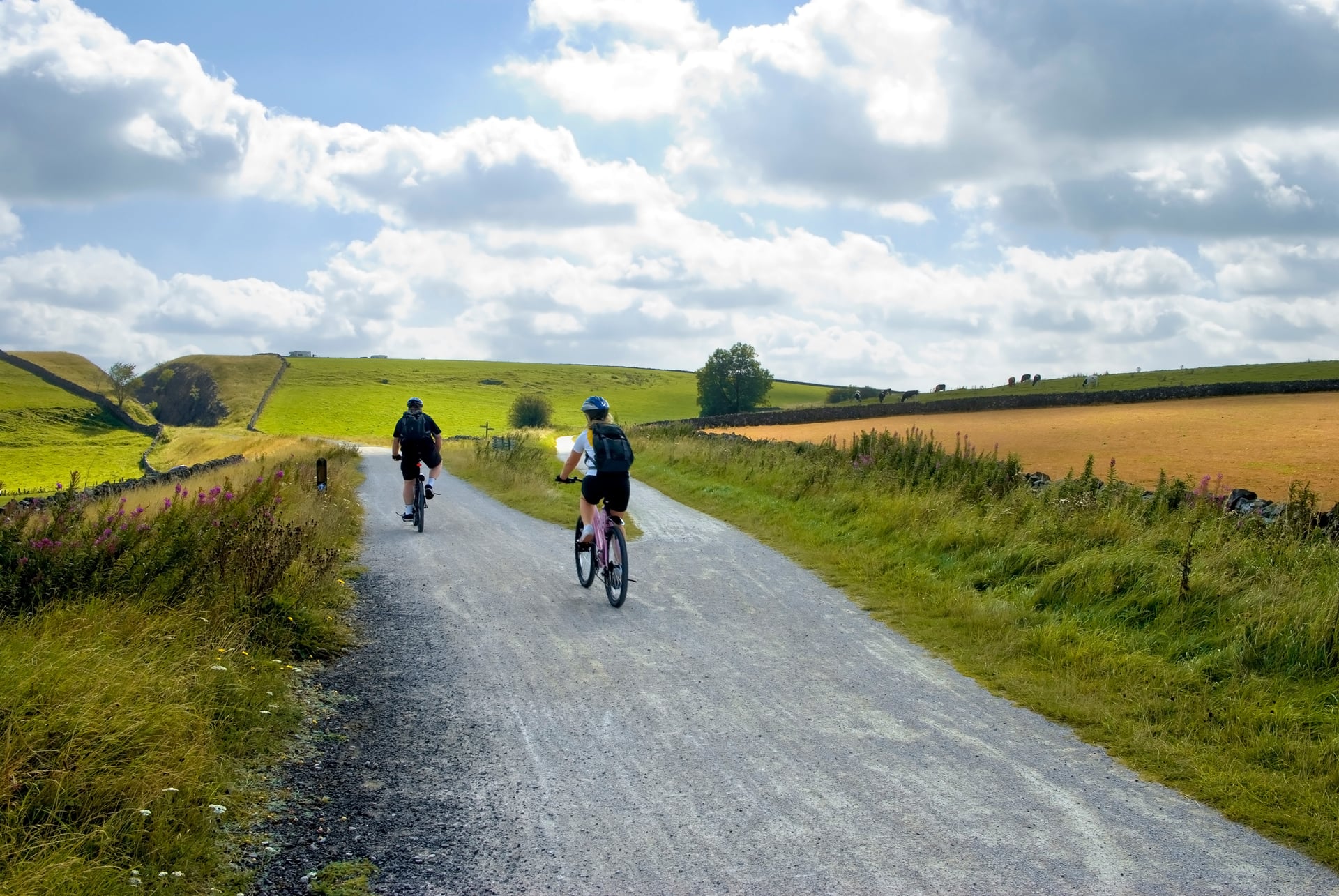
Coast to Coast Cycle Route: The C2C's 137 Miles in 4 Stages
The C2C in 4 stages from the Irish Sea to the North Sea: miles, elevation gain and beds for each stage, the five big hills and the trains at both ends.
Quick links
Don't want to read all this?
We've planned 800+ cycling trips. Send your dates, fitness and group size — we'll map the route and book every night.


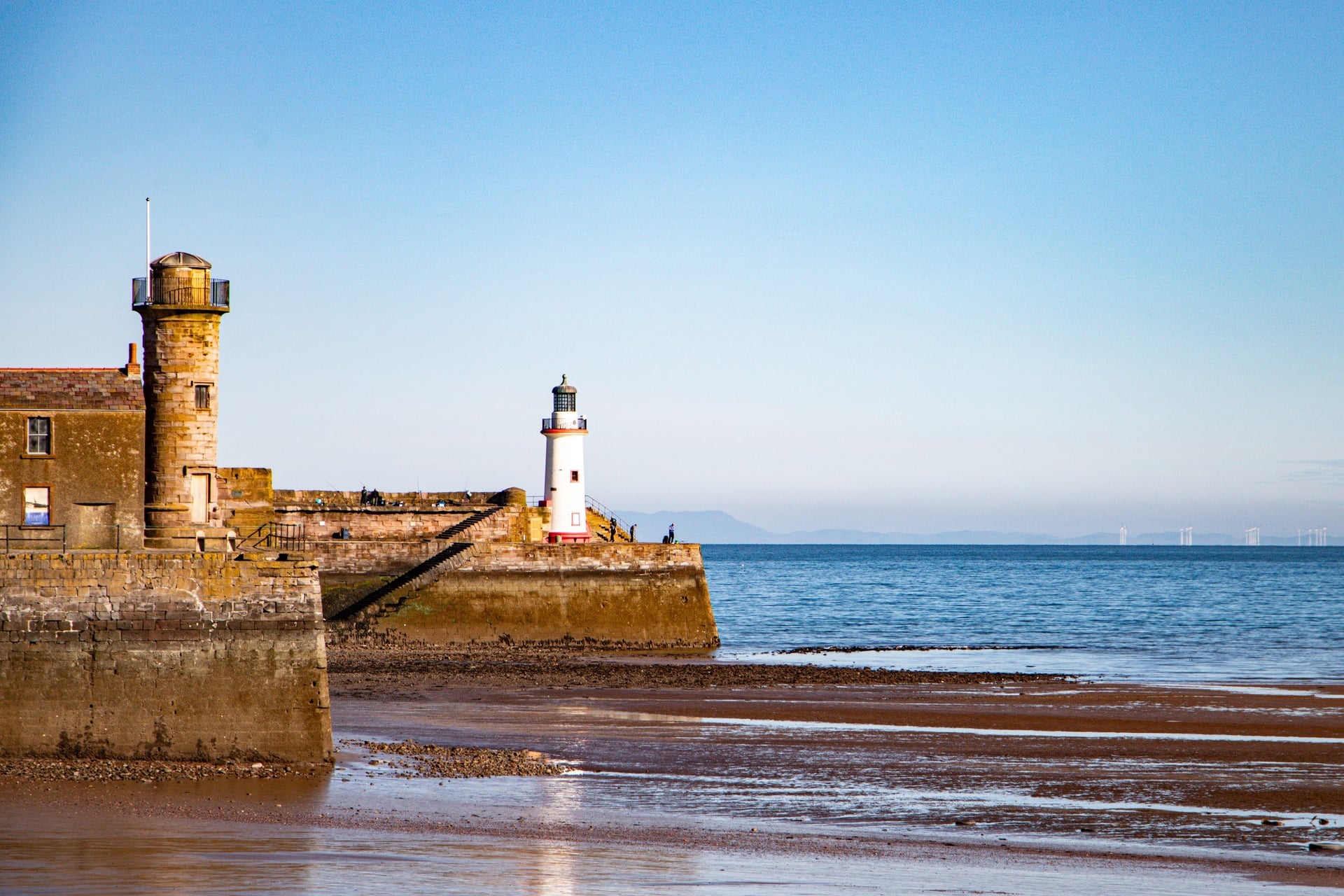
The C2C starts with a tradition at Whitehaven harbour. You dip your back wheel in the Irish Sea, ride across the north of England and dip your front wheel in the North Sea at Sunderland or Tynemouth.
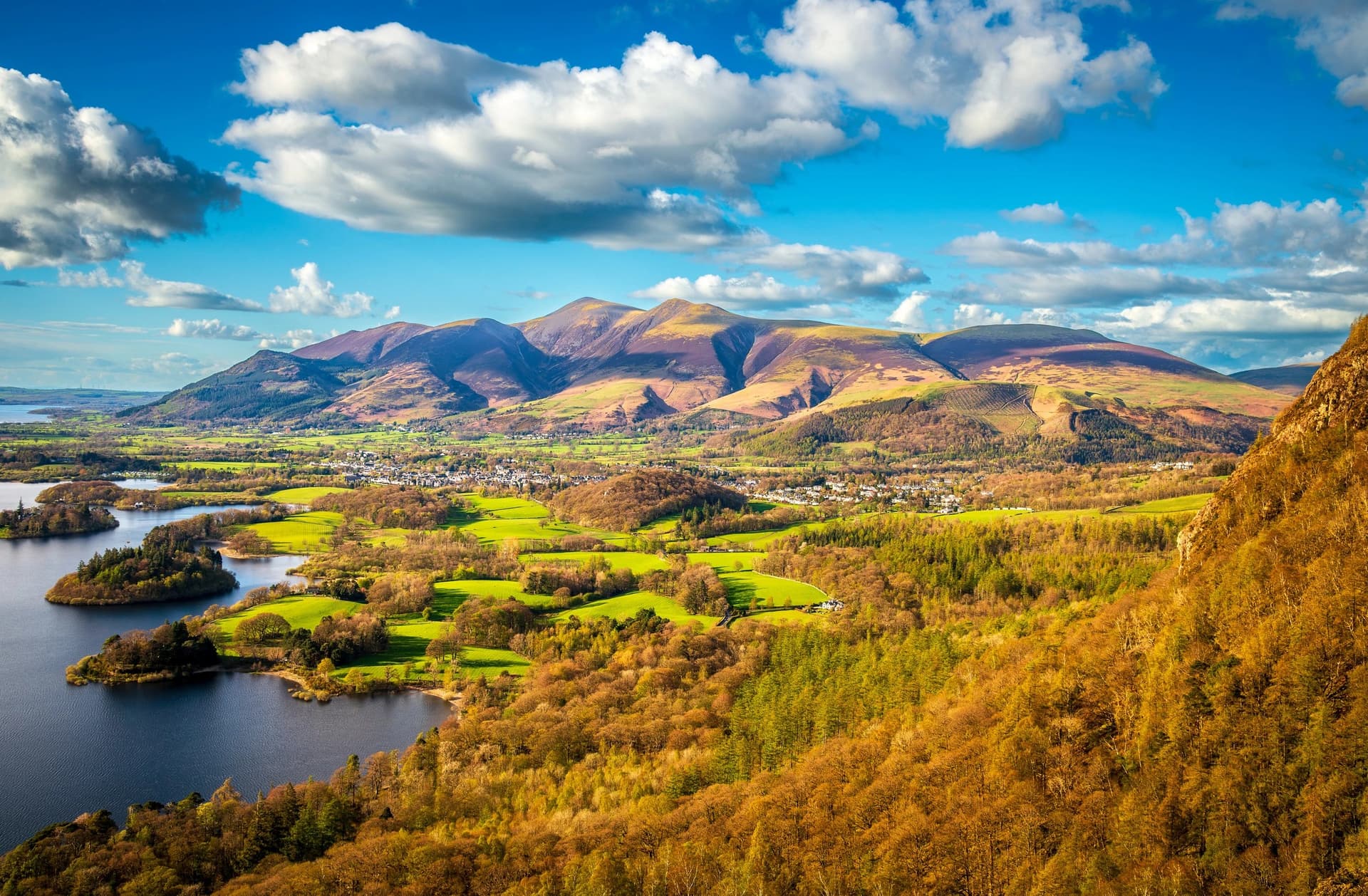
On the way you cross the northern Lake District over Whinlatter Pass and climb onto the empty moors of the North Pennines, where the road reaches 609 m on Black Hill. The last day runs down old railway lines through County Durham to the coast.
The route is 137.5 miles (221 km) long, and almost half of it (44.6%) is traffic-free. It is the most popular challenge ride on the National Cycle Network, and among the UK's long-distance cycling routes it is a good first choice: most people ride it in three or four days.
C2C at a Glance
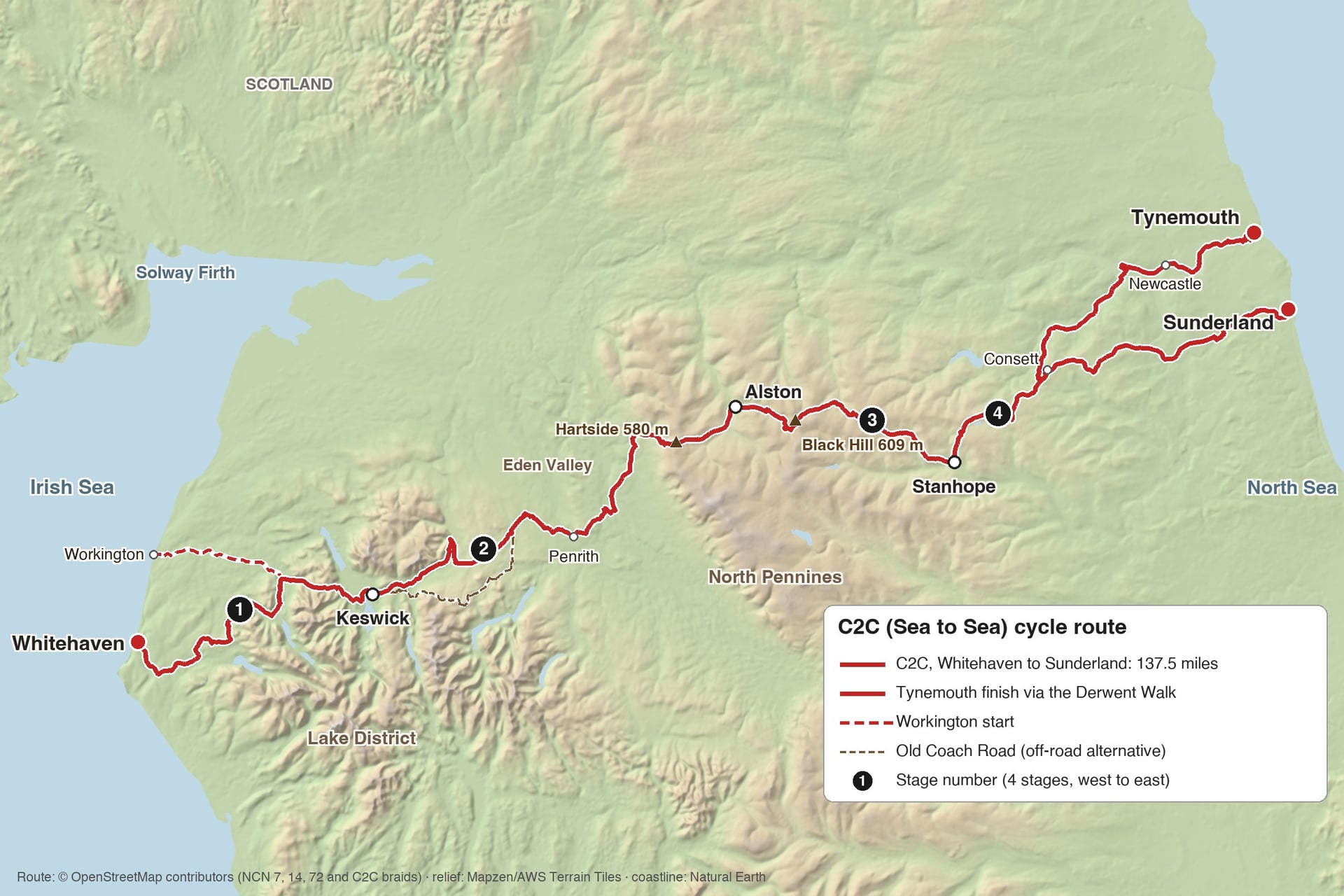
C2C is short for Sea to Sea, and the Sea to Sea cycle route is signed in both directions as National Cycle Network Routes 7 and 71.
Length: 137.5 miles (221 km) from Whitehaven to Sunderland; the Tynemouth finish adds about 5 miles
Route numbers: National Cycle Network Routes 7 and 71, with short sections of Routes 1 and 14
Surface: 83.8% asphalt, 14.3% firm unsealed path and 1.8% loose surface
High points: Whinlatter Pass 318 m, Hartside 580 m and Black Hill 609 m
Elevation gain: about 2,900 m from coast to coast
Riding days: three or four for most riders, five with time for stops
Bike: hybrid, gravel or touring bike; a road bike works on the surfaced alternatives
Which Start, Which Finish and Which Direction?
Most riders start at Whitehaven and finish at Tynemouth or Sunderland. Whitehaven is the official start, beside the harbour. The Workington start is about 8 miles shorter and joins the main route near Lorton, at the foot of Whinlatter Pass.
The official finish is the Star Map sculpture on the seafront at Roker in Sunderland. For Tynemouth, you leave the main route at Consett, follow the Derwent Walk down to the Tyne and ride the riverside paths of Hadrian's Cycleway past Newcastle's bridges to the river mouth.
West to east is the better direction. The prevailing westerly wind is usually behind you, and the big hills all come in the first three stages. From Parkhead, at the top of Stage 4, most of the last 36 miles run downhill or flat on old railway lines.
C2C Stage by Stage
The C2C changes landscape three times: Lake District fells first, then the high Pennine moors, then old railway paths down to the North Sea. The four stages below end in the towns where most riders sleep.
Two of those towns sit just off today's signed line. Route 7 now passes about 2 miles from Alston, through Garrigill, and it crosses the moor north of Rookhope without dropping into Stanhope. Alston and Stanhope are still the usual overnight stops, and the stage figures include the short roads in and out.
Stage 1, Whitehaven to Keswick: 30 miles (48 km), about 650 m of elevation gain
Stage 2, Keswick to Alston: 46 miles (74 km), about 1,160 m
Stage 3, Alston to Stanhope: 22 miles (36 km), about 690 m
Stage 4, Stanhope to the coast: 39 miles (63 km) to Sunderland or 44 miles (71 km) to Tynemouth, about 440 to 480 m
Stage 1: Whitehaven to Keswick
Distance: 30 miles (48 km)
Elevation gain: about 650 m
High point: Whinlatter Pass, 318 m
Surface: 10 miles of surfaced railway path, then lanes and forest roads
Where to sleep: Keswick, or Braithwaite 2 miles before it
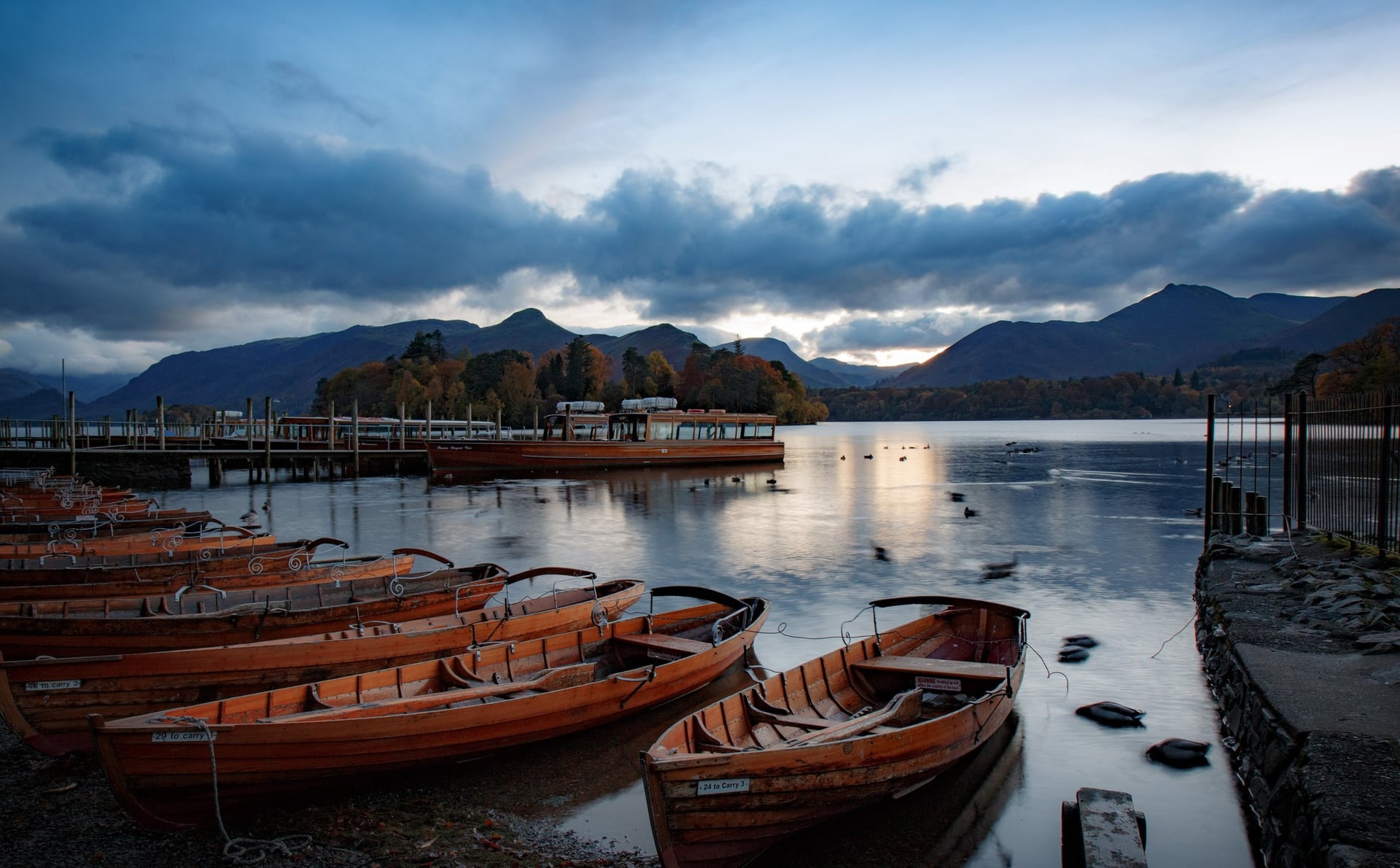
The first 10 miles follow a surfaced railway path out of Whitehaven, through Cleator Moor to Rowrah. It climbs so gently that you hardly notice, yet after 11 miles you are about 250 m above the harbour you started from.
Quiet lanes through Kirkland and Lamplugh bring the first views of the Lake District fells. The steep drop from Fangs Brow to Loweswater looks straight across at Mellbreak, and it is the one descent on this stage to take slowly.
Whinlatter Pass is the first big climb: about 250 m of elevation gain in 3.5 miles from Lorton, through the forest to 318 m. The visitor centre near the top has a café. Forest roads then take you down past Bassenthwaite Lake and through Braithwaite into Keswick.
Stage 2: Keswick to Alston
Distance: 46 miles (74 km)
Elevation gain: about 1,160 m
High point: Hartside, 580 m
Surface: railway path to Threlkeld, then lanes and the A686 over Hartside
Where to sleep: Alston, or Penrith to split the stage
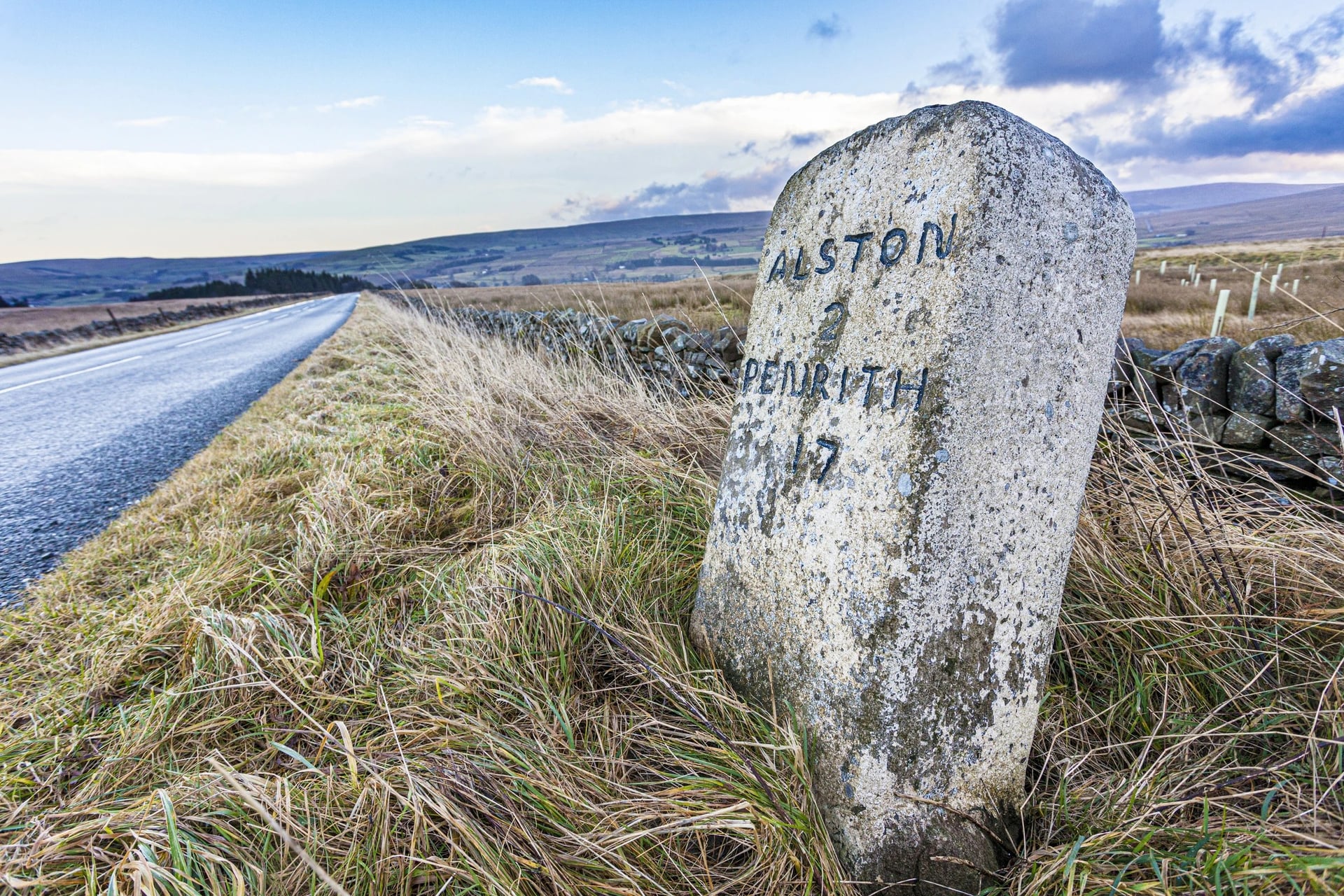
Stage 2 is the longest and hardest day, and it carries about 40% of the route's elevation gain. It leaves Keswick on the traffic-free railway path beside the River Greta, through the Bobbin Mill tunnel to Threlkeld, under the slopes of Blencathra.
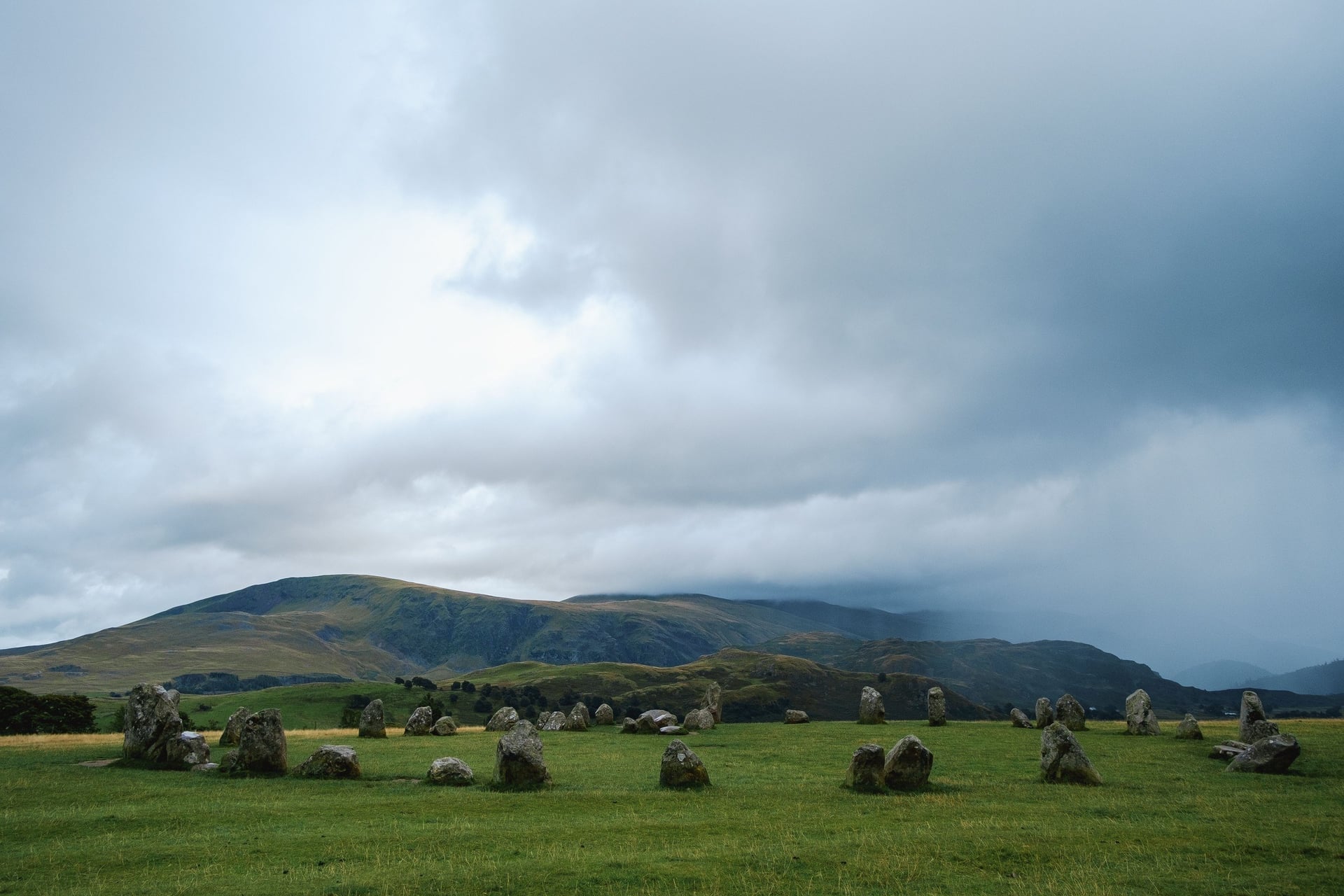
Castlerigg Stone Circle stands on the hill about half a mile south of the path. After Threlkeld the signed route loops through Mungrisdale and heads east on lanes through Greystoke to Penrith. The Old Coach Road over Matterdale Common is the off-road alternative, and it is rougher and harder.
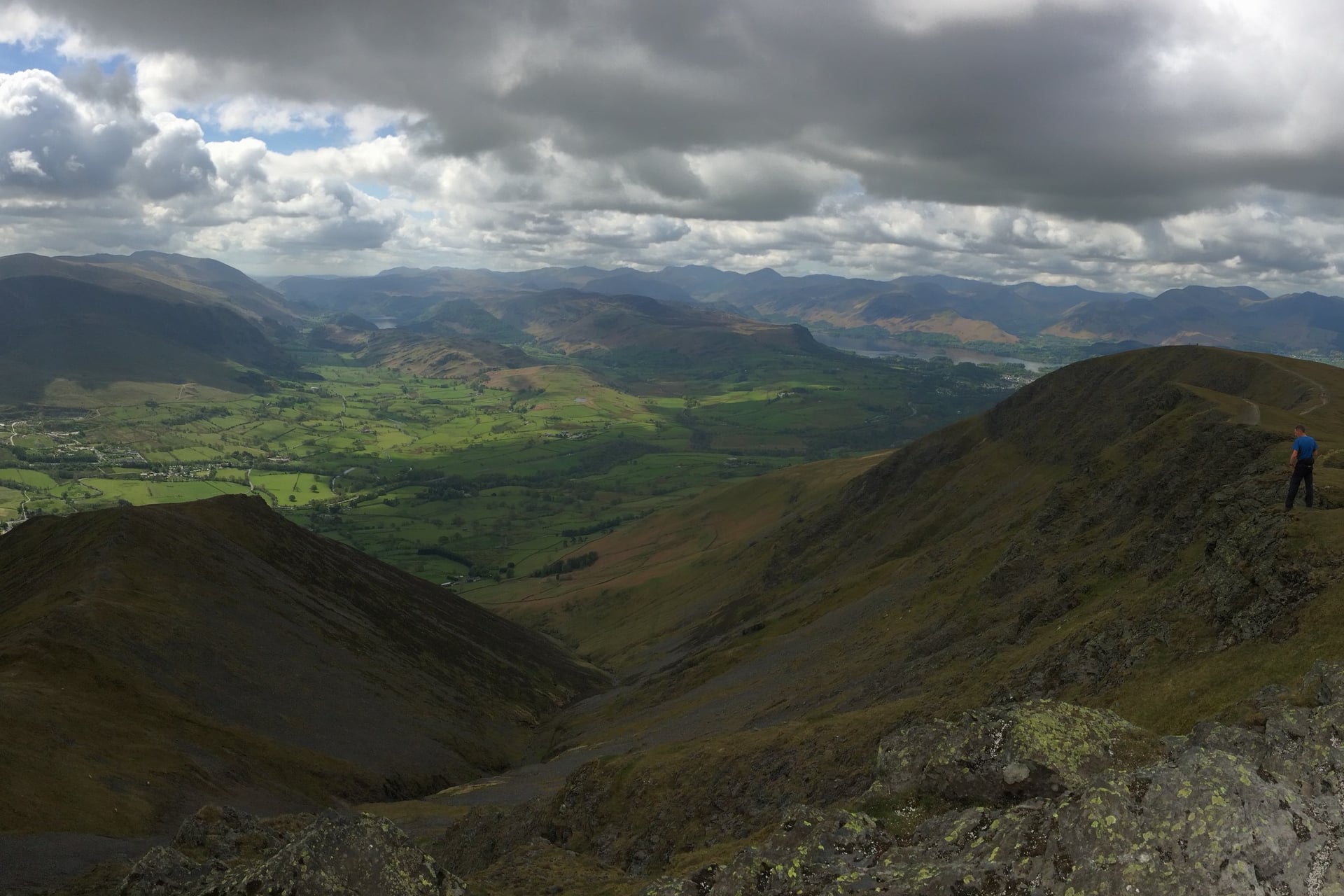
Beyond Penrith you cross the River Eden at Langwathby, and the Pennines rise ahead. The climb to Hartside starts at Renwick and gains about 400 m in 5 miles, the last part on the A686. At 580 m, Hartside is the watershed between the Irish Sea and the North Sea.
The café on the summit burned down in 2018 and had still not reopened in mid-2026, so carry food for the climb. A fast descent leads to Leadgate in the South Tyne valley, and Alston, one of England's highest market towns at about 300 m, is 3 miles down the A686.
Stage 3: Alston to Stanhope
Distance: 22 miles (36 km)
Elevation gain: about 690 m
High point: Black Hill, 609 m, the highest point of the C2C
Surface: quiet moorland roads; the old off-road line from Rookhope is no longer part of Route 7
Where to sleep: Stanhope, or Allenheads and Rookhope for shorter days
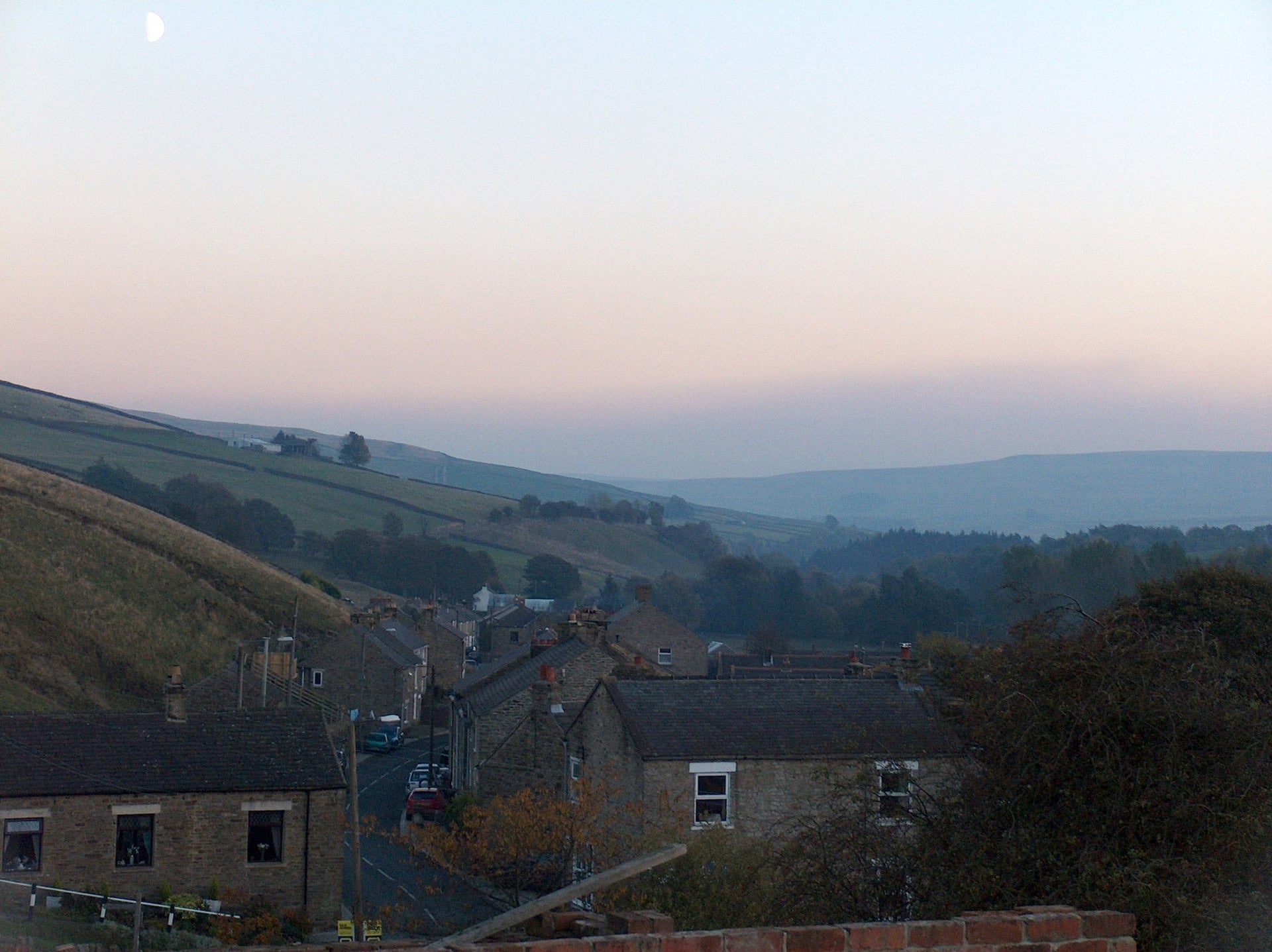
Stage 3 is short, but it crosses the highest ground on the C2C in three climbs. From Alston the A689 rises gently for 5 miles to Nenthead, an old lead-mining village at about 440 m.
From Nenthead the road gains about 170 m in under 2 miles to Black Hill, at 609 m the highest point of the route. There is no shelter on the moor road, so carry a warm layer even in summer. The road then drops to Allenheads, a former mining village whose inn serves food.
The climb out of Allenheads gains another 170 m in 2 miles before a long descent towards Rookhope. Here today's Route 7 turns north and crosses the moor to Parkhead. To reach Stanhope, ride into Rookhope and take the moor road south-east, which climbs about 90 m and drops into Weardale.
Stage 4: Stanhope to Sunderland or Tynemouth
Distance: 39 miles (63 km) to Sunderland, or 44 miles (71 km) to Tynemouth
Elevation gain: about 440 m to Sunderland, or about 480 m to Tynemouth
High point: Parkhead, about 440 m, at the top of Crawleyside Bank
Surface: Crawleyside Bank on the road, then railway paths almost all the way to the sea
Where to sleep: Sunderland or Tynemouth, or Consett for a short day
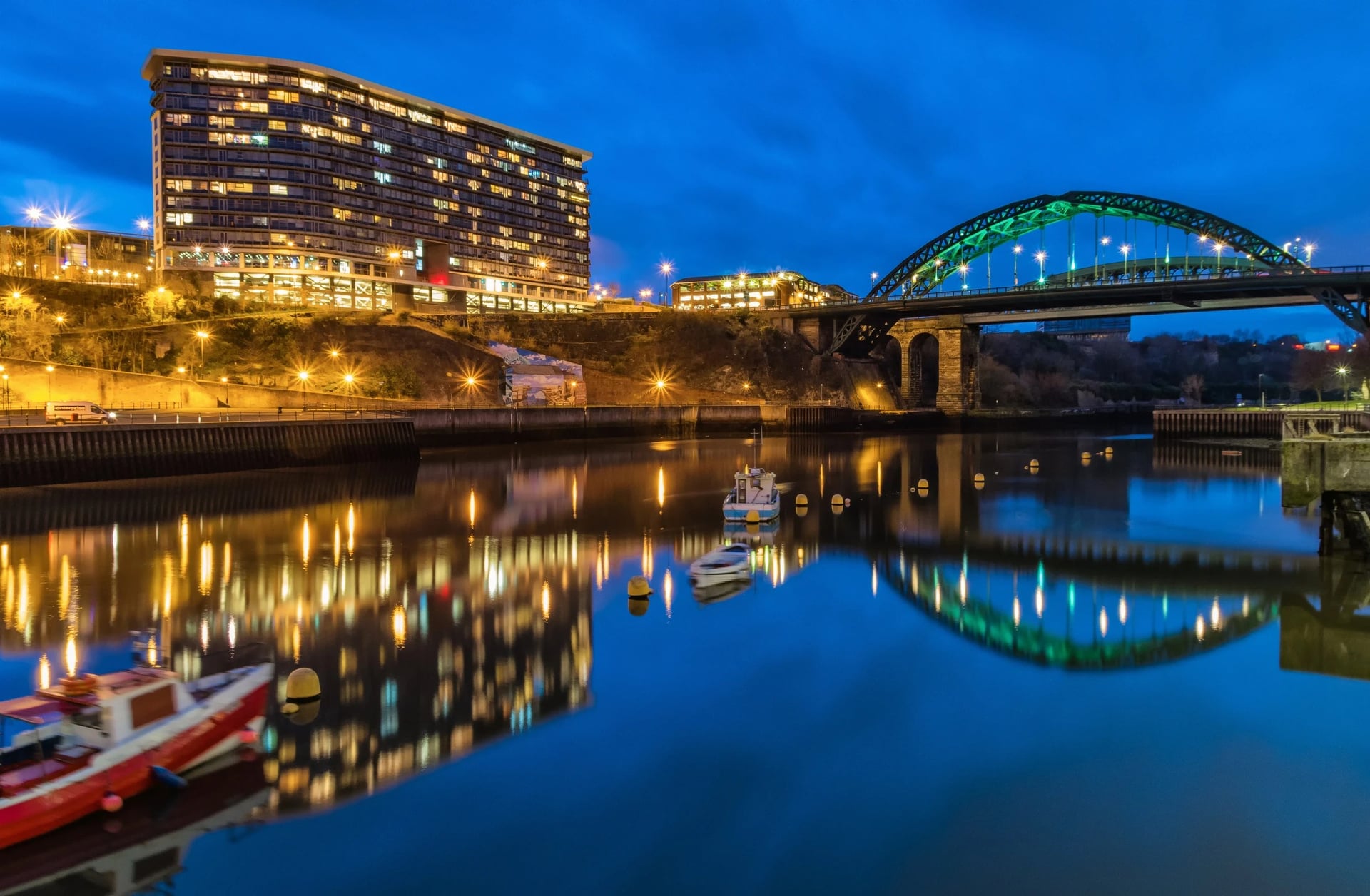
The last stage starts with its only hard climb. Crawleyside Bank leaves Stanhope at about 9% for the first mile and reaches Parkhead after 2.8 miles.
From there the Waskerley Way follows the old Stanhope and Tyne Railway across the open moor to Hownsgill Viaduct. Just before Consett it passes Terris Novalis, Tony Cragg's two giant steel surveying instruments.
At Consett the route splits. Route 7 follows the Consett and Sunderland Railway Path, mostly downhill, past Washington and along the River Wear to the Star Map sculpture at Roker. This is the easiest stage of the C2C.
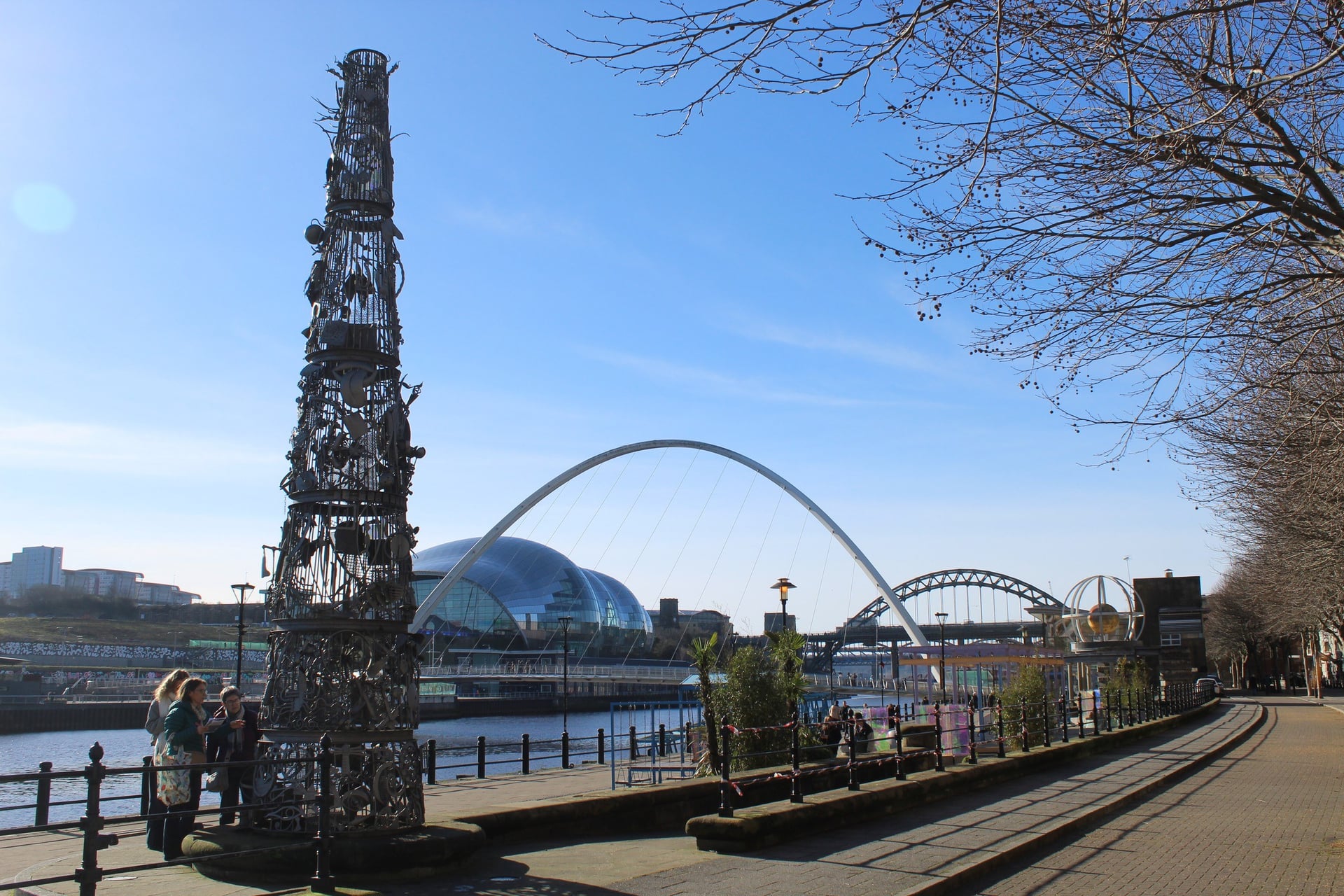
For Tynemouth, take the Derwent Walk, Route 14, down the wooded Derwent valley to the Tyne at Swalwell. From there the riverside paths run under Newcastle's bridges and along the north bank to the mouth of the river.
Places Worth a Stop
These five stops sit on the route or a short detour from it, in the order you reach them.
Castlerigg Stone Circle (Stage 2): a ring of 38 standing stones, probably built around 4,500 years ago, with the Helvellyn range behind; free and open in daylight
Alston (end of Stage 2): one of England's highest market towns, with a steep cobbled Front Street and a covered market cross
Nenthead Mines (Stage 3): the old lead and zinc workings above the village; the buildings and guided trips into Carrs Mine open only on the site's open days
Stanhope fossil tree (end of Stage 3): a tree stump about 320 million years old, found in a quarry at Edmundbyers Cross in 1915 and rebuilt in St Thomas' churchyard by the market place in 1964
Hownsgill Viaduct (Stage 4): Thomas Bouch's 12-arch railway viaduct of 1858, about 46 m above the gill, which the Waskerley Way crosses just before Consett
How Many Days Do You Need?
Most riders take three or four days. These splits use the stage towns above, with the Sunderland finish:
Plan | Overnight stops | Daily miles |
3 riding days | Penrith, Stanhope | 54, 45, 39 |
4 riding days | Keswick, Alston, Stanhope | 30, 46, 22, 39 |
5 riding days | Keswick, Penrith, Alston, Stanhope | 30, 24, 23, 22, 39 |
Add a day at each end for the trains. Four days suits a first multi-day ride or a heavy touring bike, and strong riders on light bikes often manage three.
How Hard Is the Coast to Coast Cycle Route?
The C2C needs no technical skill, but it is a hilly ride. It has about 2,900 m of elevation gain, and more than 90% of it comes before Parkhead, 101 miles from Whitehaven.
The Big Climbs
Five climbs do most of the work, and all of them come before the railway paths of Stage 4. Hartside is the longest, and the pull from Nenthead to Black Hill is the steepest on average.
Climb | Stage | Top | Elevation gain | Length | Average gradient |
Whinlatter Pass, from Lorton | 1 | 318 m | about 250 m | 3.5 miles (5.6 km) | 4.5% |
Hartside, from Renwick | 2 | 580 m | about 400 m | 5 miles (8 km) | 5% |
Black Hill, from Nenthead | 3 | 609 m | about 170 m | 1.7 miles (2.7 km) | 6% |
Out of Allenheads | 3 | about 540 m | about 170 m | 2 miles (3.2 km) | 5% |
Crawleyside Bank, from Stanhope | 4 | about 440 m | about 240 m | 2.8 miles (4.6 km) | 5%, 9% for the first mile |
On a loaded bike, low gears matter more than strength, because the steepest mile of these climbs averages 7 to 9%. If you can ride 40 miles with 1,000 m of elevation gain and ride again the next day, you can ride the C2C.
Surfaces and Which Bike
Most of the C2C is sealed: 83.8% is asphalt, 14.3% is firm unsealed path and 1.8% is loose. The unsealed parts are mainly railway paths, such as the Waskerley Way, and the optional Old Coach Road.
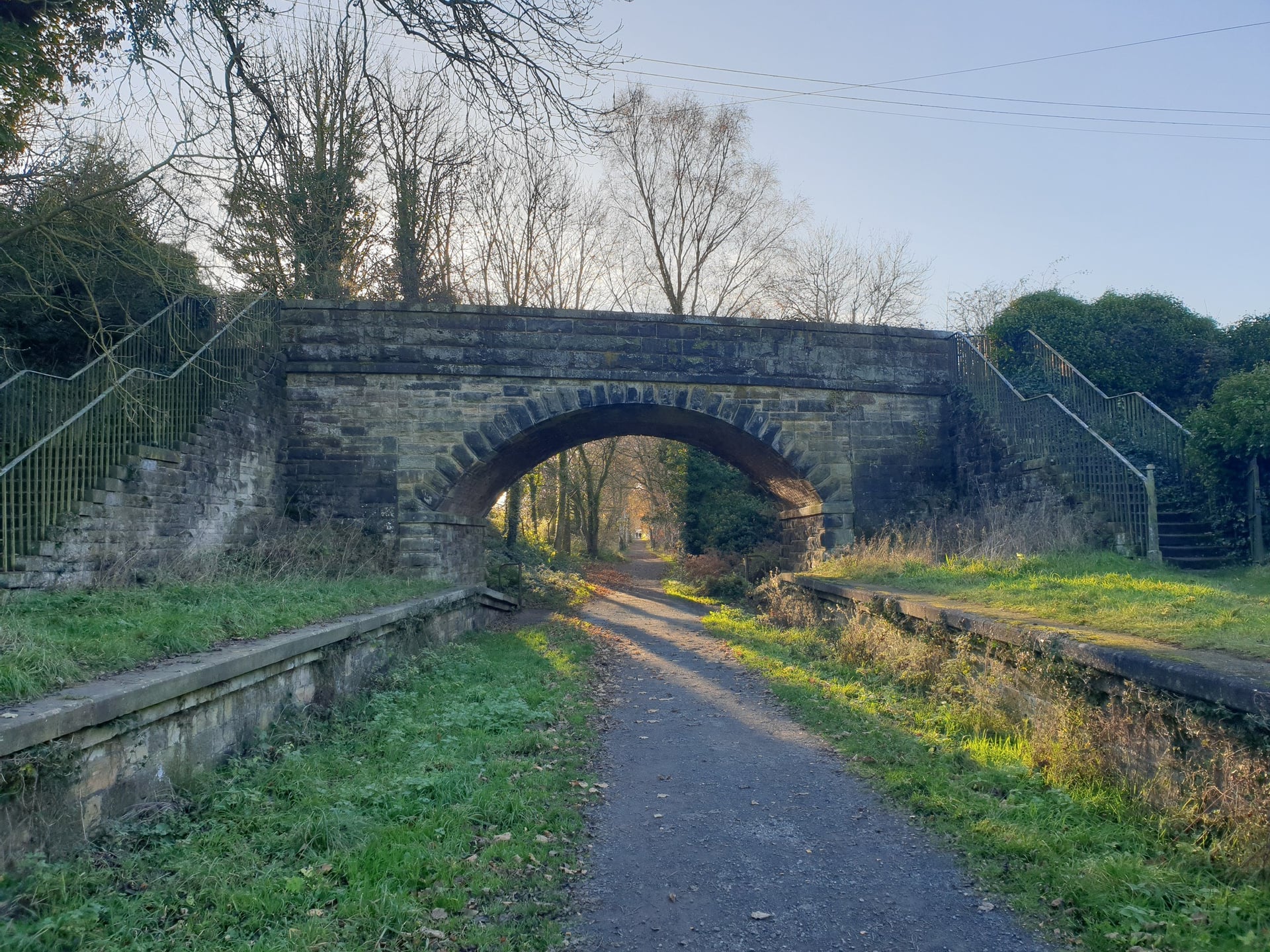
Any bike can ride the C2C, because every off-road section has a surfaced alternative. A hybrid, gravel or touring bike with tyres of 32 mm or wider is the most comfortable choice. On a road bike, take the road options where the railway paths turn to gravel.
Traffic, Signs and Closures
Almost half of the C2C (44.6%) is traffic-free, and most of the rest follows quiet lanes. Traffic is heavier through Penrith, on the A686 over Hartside and in Sunderland and Newcastle.
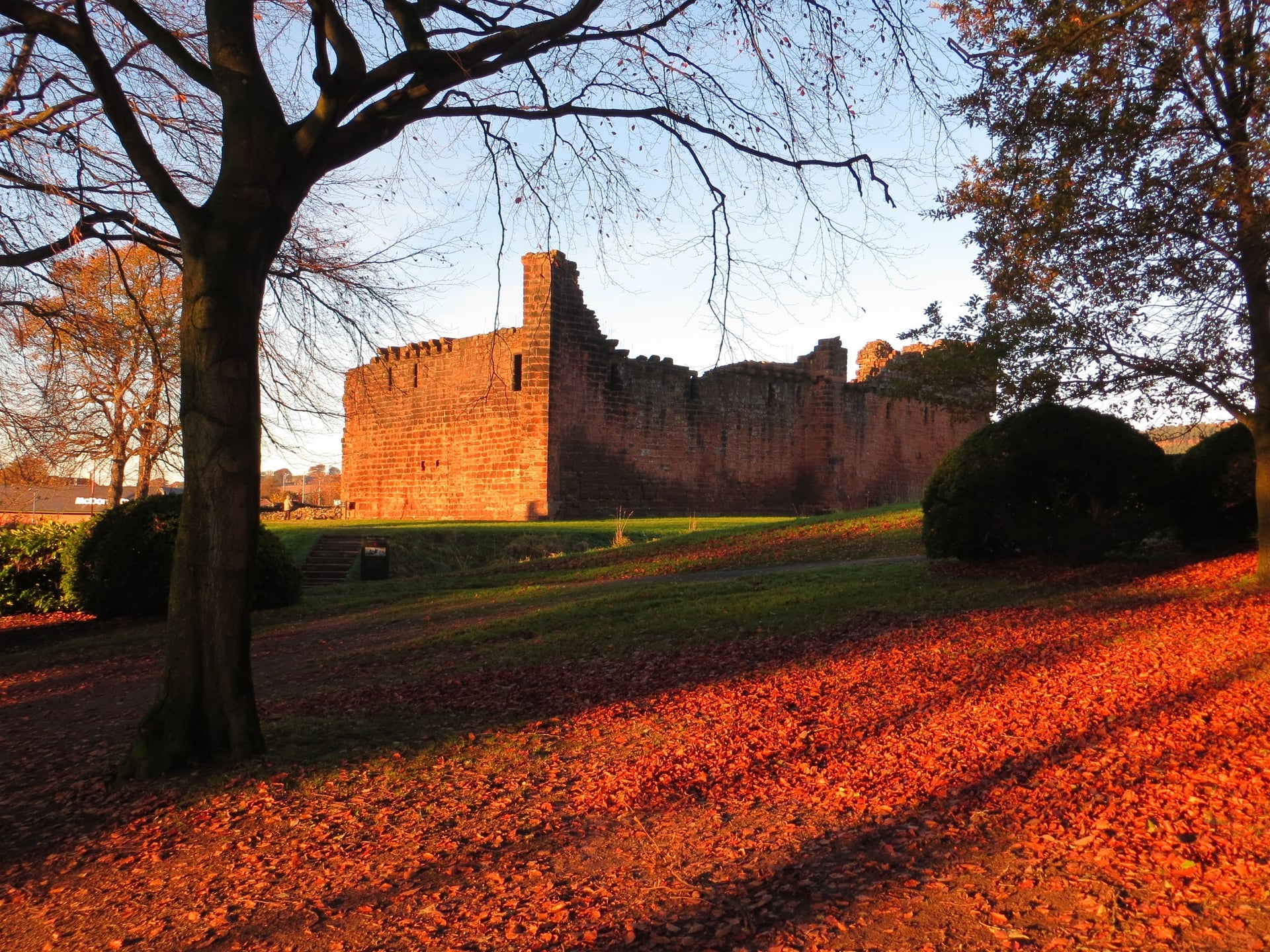
Routes 7 and 71 are signed in both directions with blue National Cycle Network signs. Carry a GPX file anyway, because signs go missing in towns and the route has two branches at each end.
Walk Wheel Cycle Trust (formerly Sustrans) posts closures on its C2C route page, so check it the week before you ride. In 2026 they included Parkside Bridge near Cleator Moor, part of the Waskerley Way near Castleside and the path at Hylton Bridge in Sunderland.
Best Time to Cycle the C2C
In August and September the heather on the North Pennine moors is in full purple bloom, and Stages 2 and 3 cross the middle of it.
April and May: Keswick averages 12 to 16 °C by day, and May is one of its driest months, with 82 mm of rain. Daylight grows from 14 to 16 hours.
June to August: the warmest months, 18 to 20 °C in Keswick and 16 to 18 °C at Tynemouth, with over 17 hours of daylight in late June. Beds fill fastest in the school holidays from late July.
September: still 17 °C by day in Keswick, with quieter roads and about 12.5 hours of daylight by mid-month.
October: 13.5 °C, about 10 hours of daylight by mid-month, and more than twice May's rain in Keswick (175 mm).
November to March: 7 to 10 °C by day, about 7 hours of daylight in late December, and about 9 days of air frost a month from December to February.
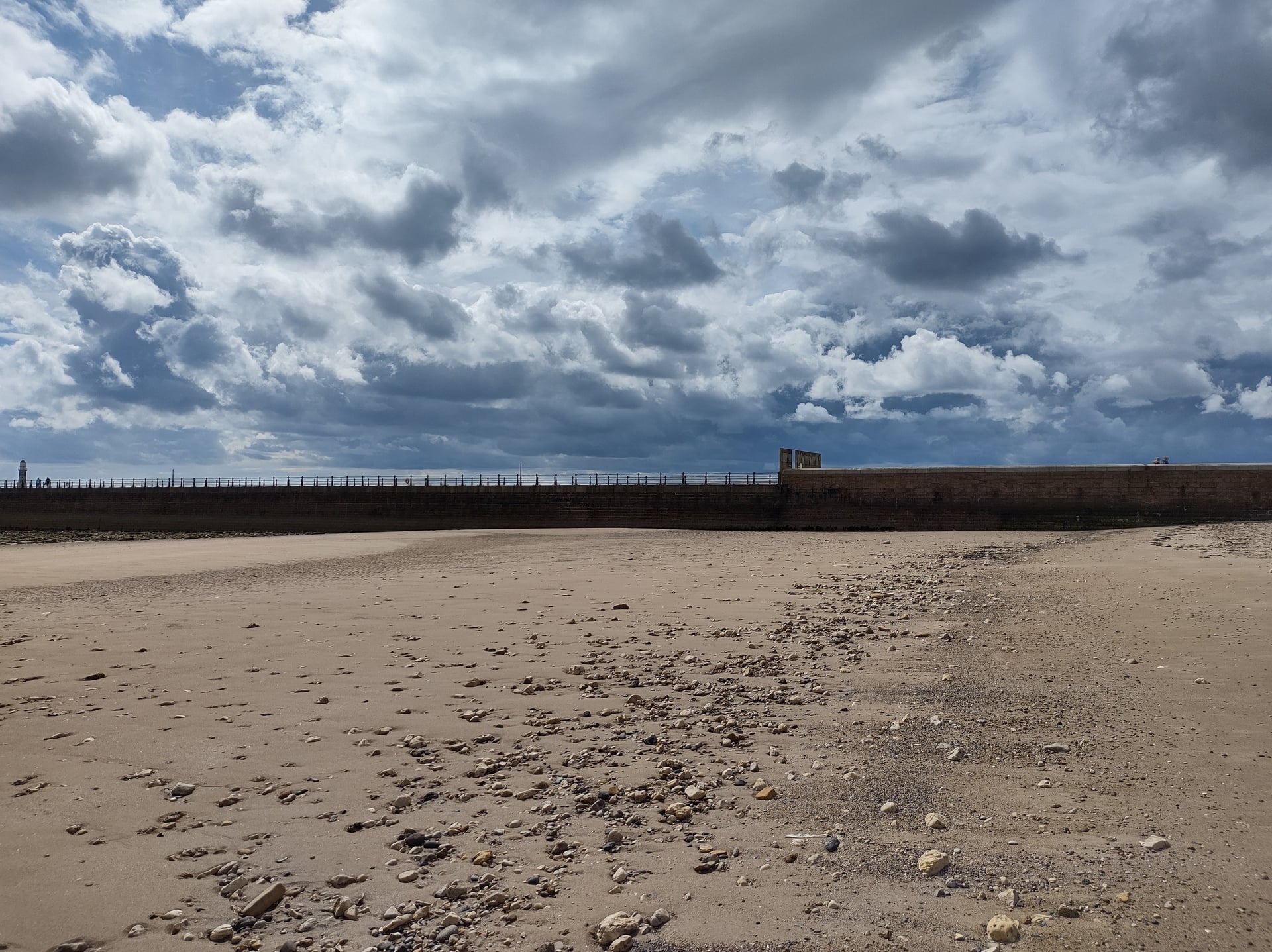
The tops are much colder than the towns. The Met Office station on Great Dun Fell, 847 m up and about 7 miles south-east of Hartside, averages only 12.5 °C by day in July and 5.4 °C in April, so dress for the tops, whatever the valley forecast says.
For most riders, May, June and September are the best months, with long days, less rain than in autumn and quieter roads than in August. In winter, carry lights every day and check that the beds you need are open.
Getting to the Start and Back From the Finish
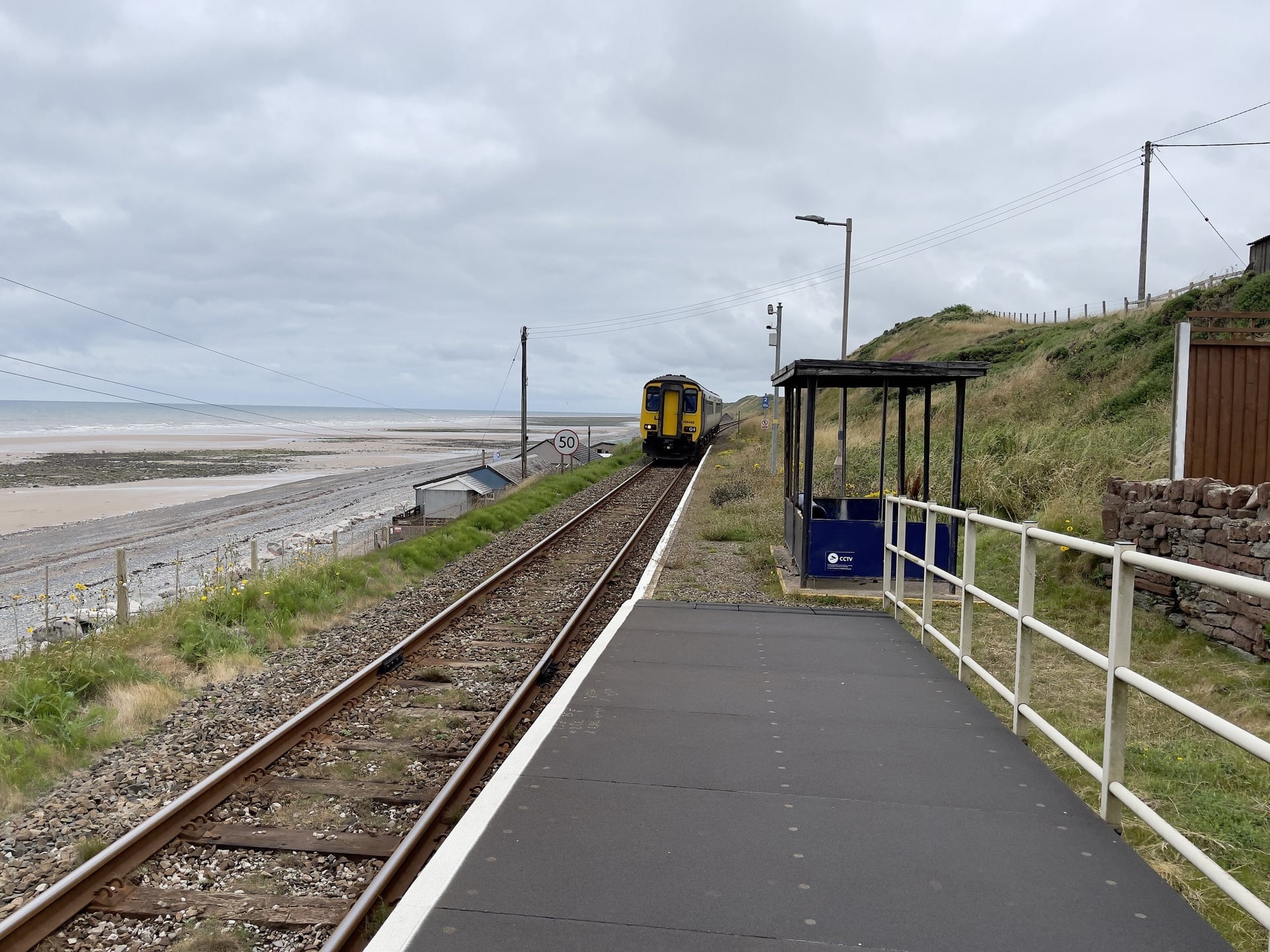
The train ride to the start ends by the sea: the Cumbrian Coast line runs along the Irish Sea shore for long stretches north and south of Whitehaven.
Both starts are on the Cumbrian Coast line, which you join at Carlisle or, on the slower coastal loop, from Lancaster via Barrow-in-Furness. Northern runs it and carries bikes free without a booking, first come, first served, so avoid the busiest trains if you travel as a group.
Whitehaven and Workington: about 1 hour 10 minutes from Carlisle to Whitehaven by Northern train, and about 50 minutes to Workington
Carlisle: the West Coast Main Line; Avanti West Coast carries bikes free but needs a reserved space
Sunderland: up to 6 Grand Central trains a day direct to London King's Cross, with 2 bike spaces a train to book with your ticket; Northern trains reach Newcastle in about 25 minutes
Newcastle: the East Coast Main Line; LNER carries bikes free with a reserved space
Tynemouth: Tyne and Wear Metro only; non-folding bikes can travel on weekdays from 10am to 3pm and after 7pm, and all day at weekends
From Tynemouth, the Metro will not take your bike into central Newcastle: bikes are not allowed at any time between Haymarket and Gateshead. Take the Metro to Manors and ride about a mile to Newcastle station, or ride the 11 miles back along the river.
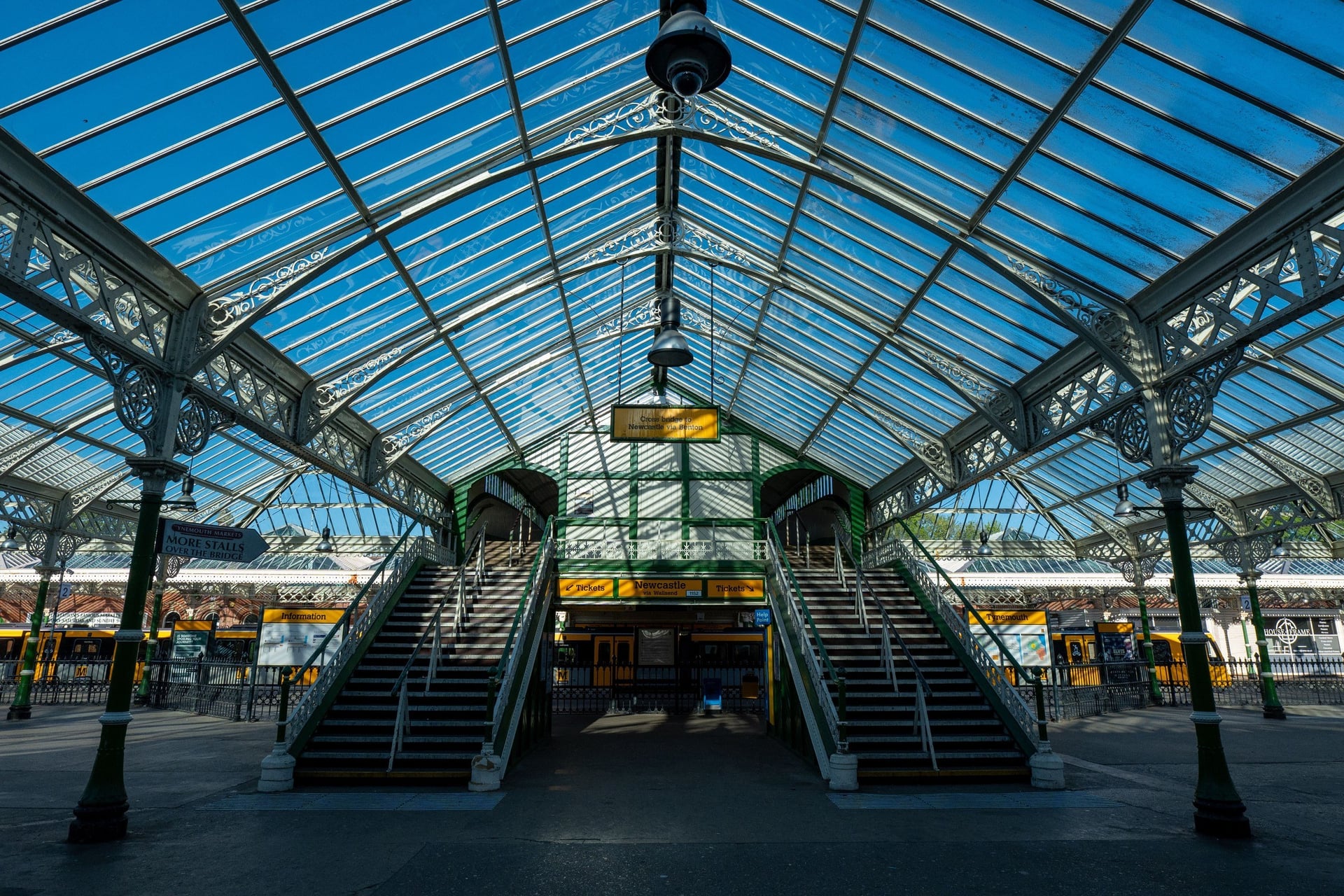
If you left a car at Whitehaven, take the train from Newcastle to Carlisle, about 1 hour 35 minutes on the Tyne Valley line, and change there for the Cumbrian Coast line.
Know Before You Arrive
Beds and food are easy to find in the towns at each end. The planning goes into the Pennine villages in between.
Where to Stay
Keswick and Penrith have hotels, guesthouses and hostels at every price. Between Alston and Stanhope the choice shrinks to a few inns, B&Bs and bunkhouses, so book the Pennine nights first, especially for July and August.
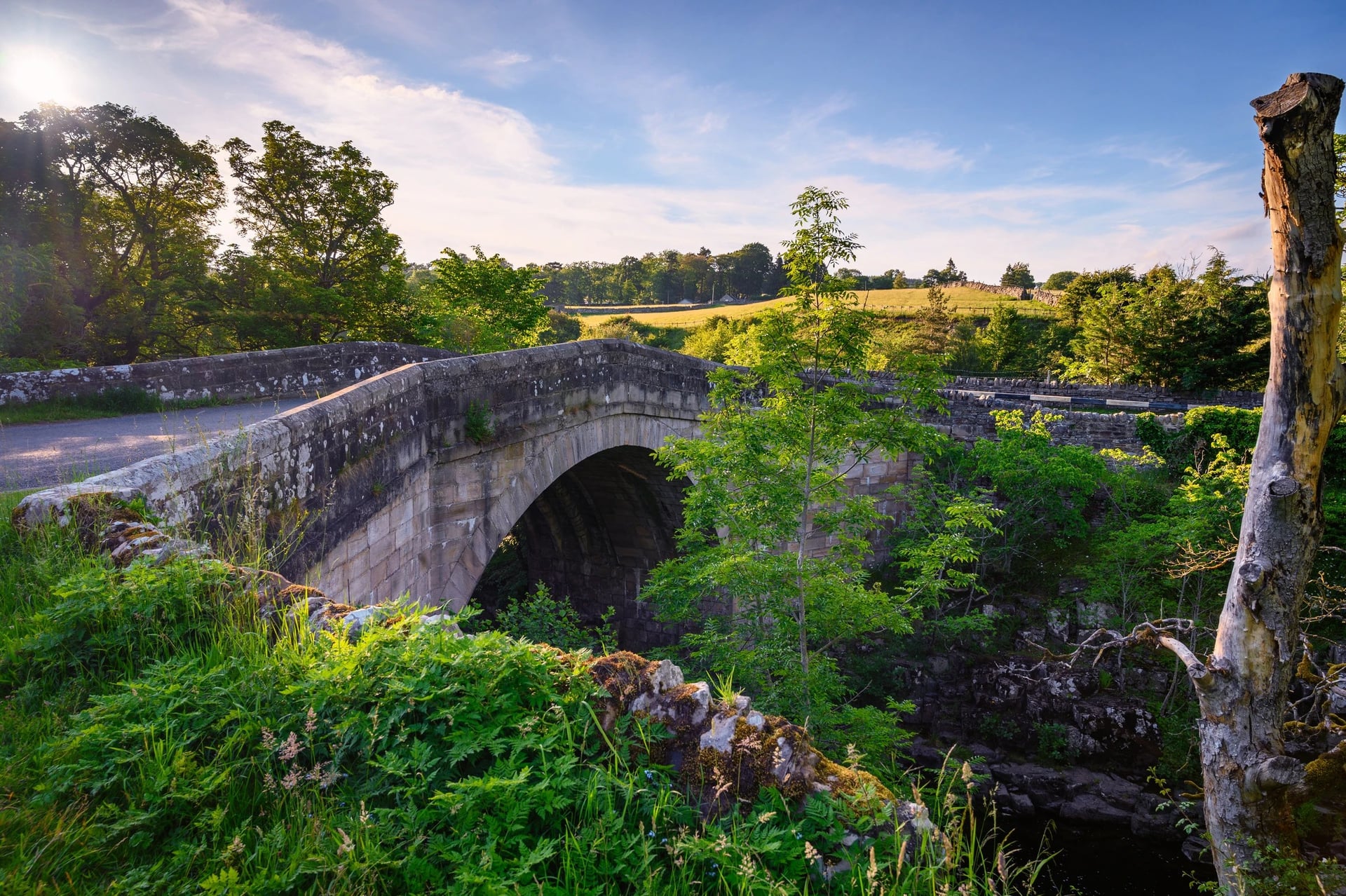
Alston Youth Hostel: an independent hostel with about 30 beds in dorms and private rooms, a drying room and a secure cycle store; open all year
The Allenheads Inn: 8 rooms sleeping 18, with breakfast, evening meals and bikes locked in its garage overnight
Barrington Bunkhouse, Rookhope: one room of 12 bunks and a fold-out bed, with a self-service breakfast and space to camp; open all year
If the small villages are full, late bookers can usually still find a bed in Keswick, Penrith or Alston. Wild camping in England needs the landowner's permission.
How Much Does the C2C Cost?
The C2C is free to ride, and so is Castlerigg Stone Circle. Most of the money goes on beds and trains, although bikes travel free on every train company you are likely to use, with a reserved space on the long-distance ones.
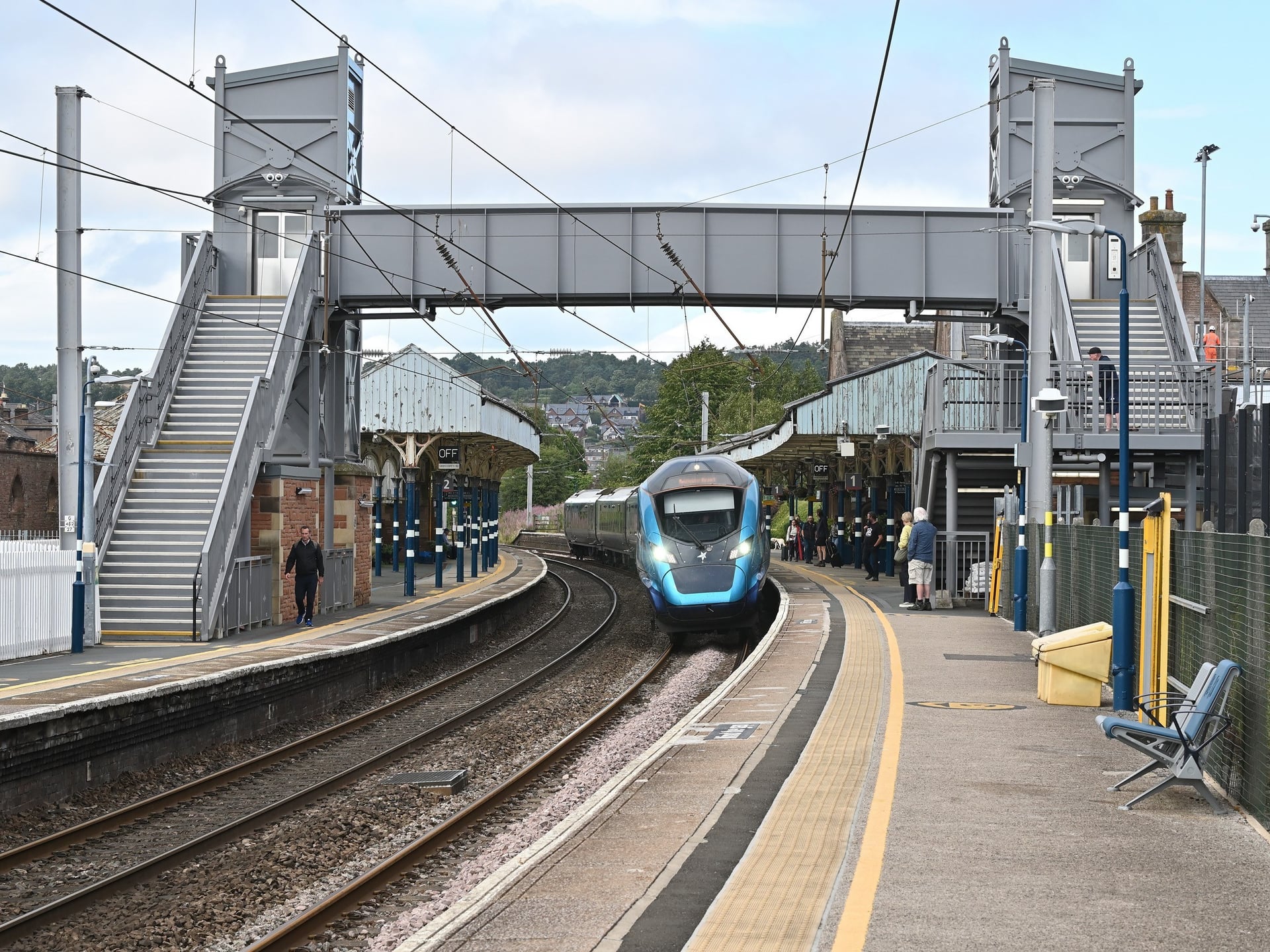
Bunkhouse beds: Barrington Bunkhouse in Rookhope charges £24 a night with breakfast
Inn B&B: the Allenheads Inn starts at £58.33 plus VAT (£70) per person
Beamish Museum: £35 for an adult, a detour from the Consett and Sunderland path
Washington Wetland Centre (WWT): £12.20 for an adult, or £11.07 booked online
What to Pack
Black Hill is more than 500 m higher than Keswick, and the weather on the Pennine tops can turn quickly, even in summer.
For any multi-day ride:
Waterproof jacket, a warm layer and full-finger gloves
Front and rear lights and a red rear reflector, which the Highway Code requires after dark
Two spare tubes, a pump and a multi-tool
Phone with the GPX file, a power bank and two water bottles
A lock for café and shop stops
For the C2C:
Low gears for Whinlatter, Hartside, Black Hill and Crawleyside Bank
Food for Hartside, where the summit café is still closed
A windproof layer for the moor road over Black Hill
Tyres of 32 mm or wider if you plan to ride the railway paths
The GPX or a C2C map, for the towns where signs go missing
Ride the C2C With Your Bags Moved
Three practical jobs make the C2C harder to organise than to ride: carrying your bags over Hartside and Black Hill, finding beds in villages with only a few rooms each, and getting home from the far coast.
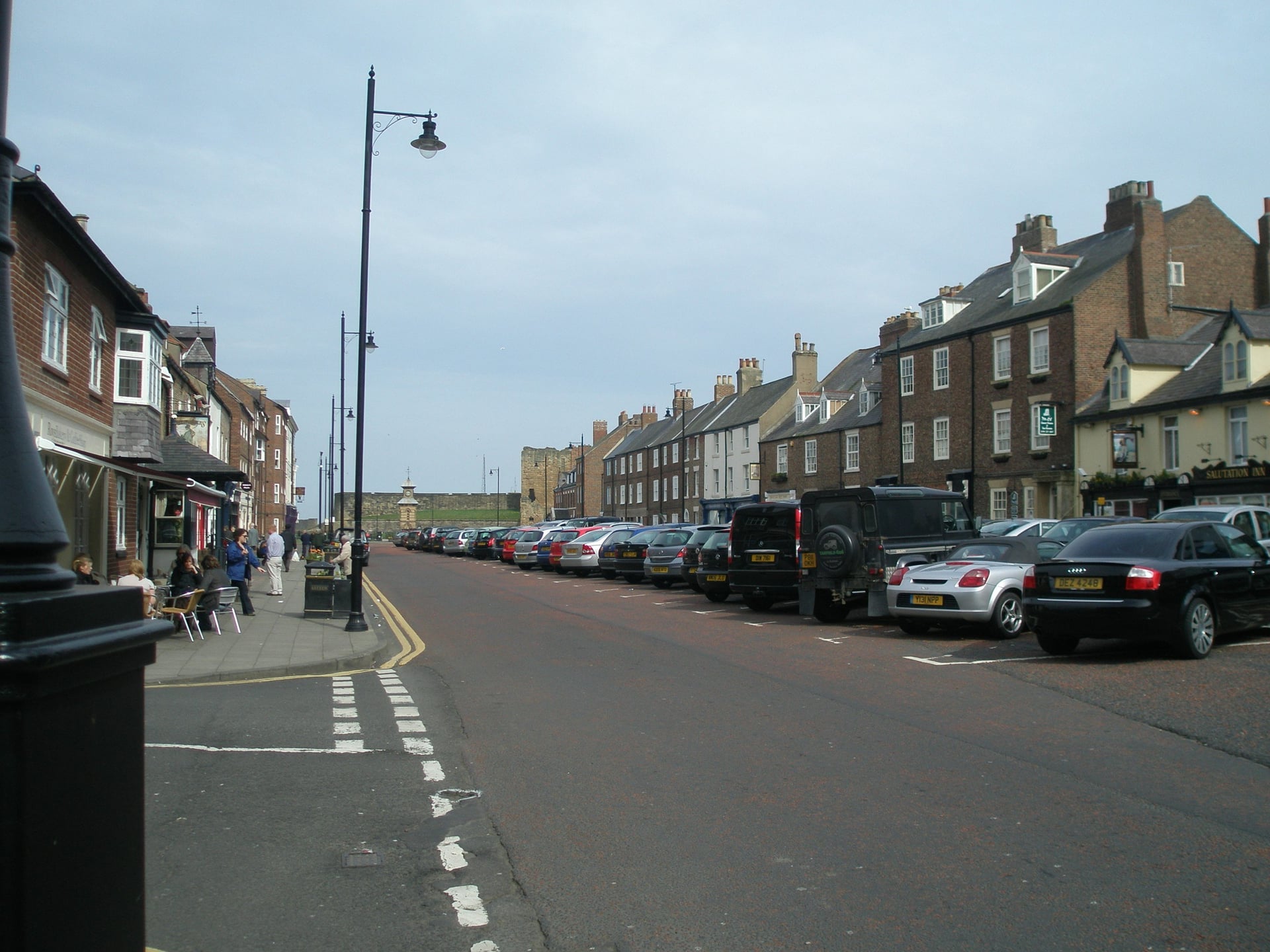
Our self-guided tour, The Cyclist's Coast to Coast (C2C), is built around those three problems:
Duration: 6 days / 5 nights with 4 riding days, April to October
Route: Whitehaven to Tynemouth via Keswick, Alston and Stanhope, 22 to 40 miles a day
Included: 5 nights in 3-star hotels with breakfast, luggage transfer every day, a GPS app, a digital guidebook and support during your tour
Bike hire, a single room and an airport transfer are optional extras. Ask us about dates for next season.
The C2C tradition is to dip your back wheel in the Irish Sea at Whitehaven and your front wheel in the North Sea at Tynemouth, four riding days later.
Frequently Asked Questions



Plan with a cycling expert
Free advice from a team that knows these routes inside out - real people, not a bot

Hassle-Free
We take care of route planning, accommodations, luggage transfers, and all logistics, so you can focus purely on enjoying your ride.

Tried & Tested Adventures
Our cycling routes are hand-picked & tested, to ensure breathtaking landscapes, smooth roads, and maximum safety - giving you the perfect ride every day.

Unbeatable Support
Our 24/7 customer support is where we show our passion, ensuring your cycling holiday runs smoothly and your well-being is always our top priority.

Book with Confidence
We are a financially protected company, fully bonded and insured, keeping your money safe and allowing you to travel with confidence.