Cycling Routes in Cornwall: The Camel Trail and Beyond
Cycling routes in Cornwall, from the flat 18-mile Camel Trail to the 180-mile Cornish Way, with real distances for every named route worth riding.
Quick links
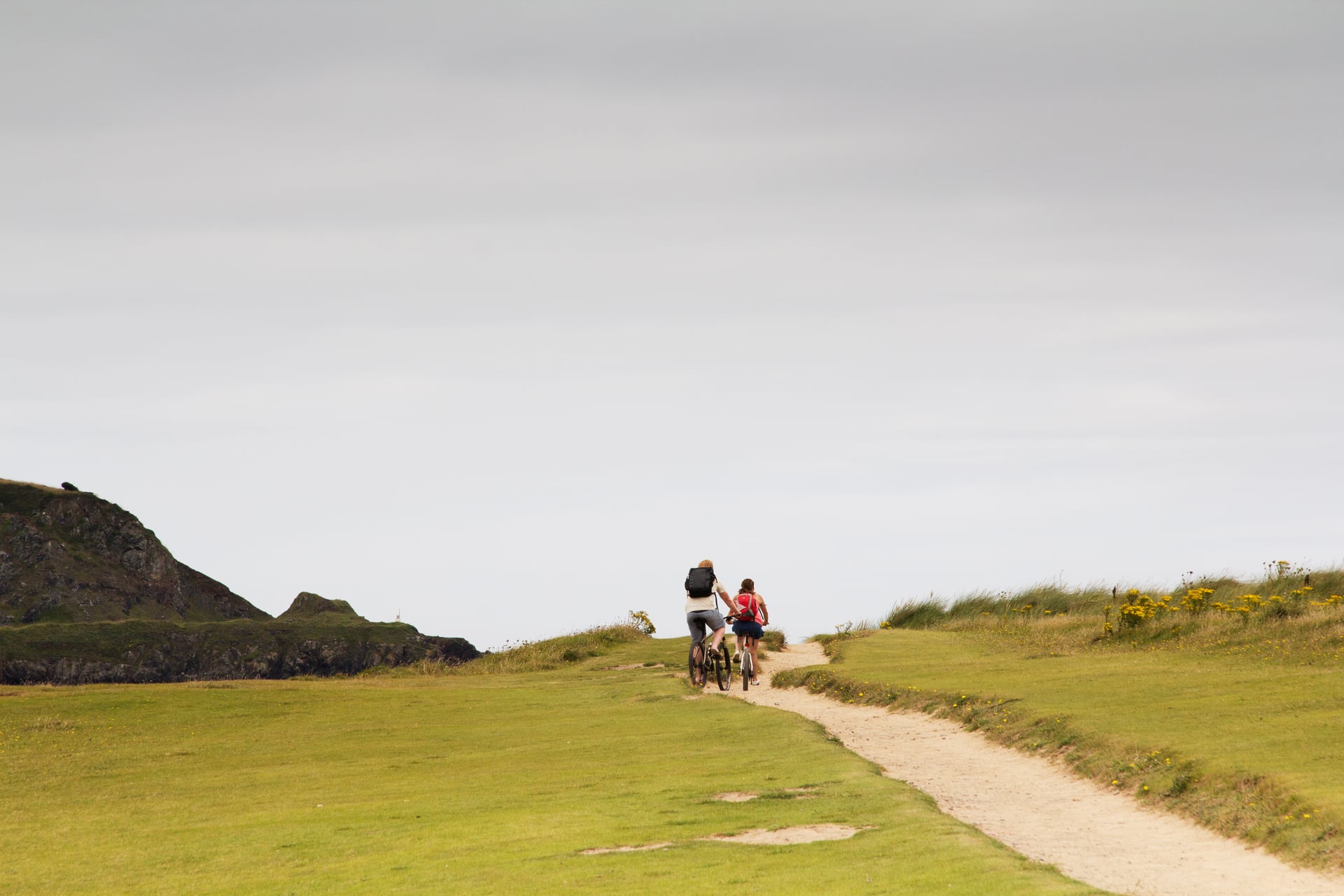
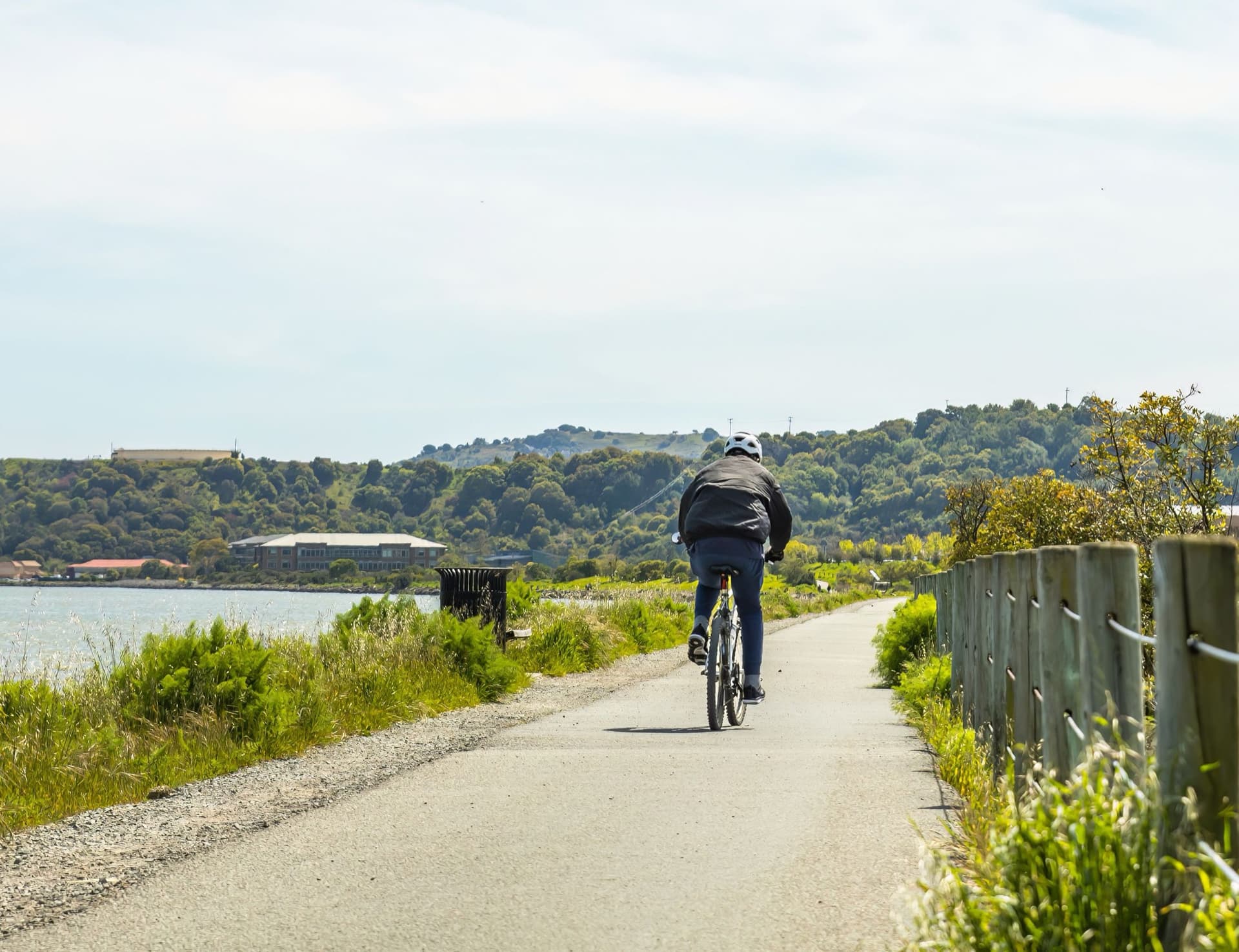
Cornwall packs a wide range of cycling into a small county. The Camel Trail alone runs 18 miles from Padstow to the edge of Bodmin Moor, mostly flat and traffic-free. An old mining district has been turned into a bike network, and a 180-mile signed route crosses the whole county.
Most visitors start with the Camel Trail: no mountain bike, no technical skill, and no advance fitness needed, so families ride it in an afternoon. Riders looking for more can build a full week out of Cornwall's other trails, road loops, and off-road routes.
Why Cycle Cornwall
Cycling in Cornwall means access to real variety within a small area. A family can ride a flat estuary path in the morning. A fitter rider can tackle a steep coastal loop the same afternoon. A beginner and an expert route can sit half an hour apart.
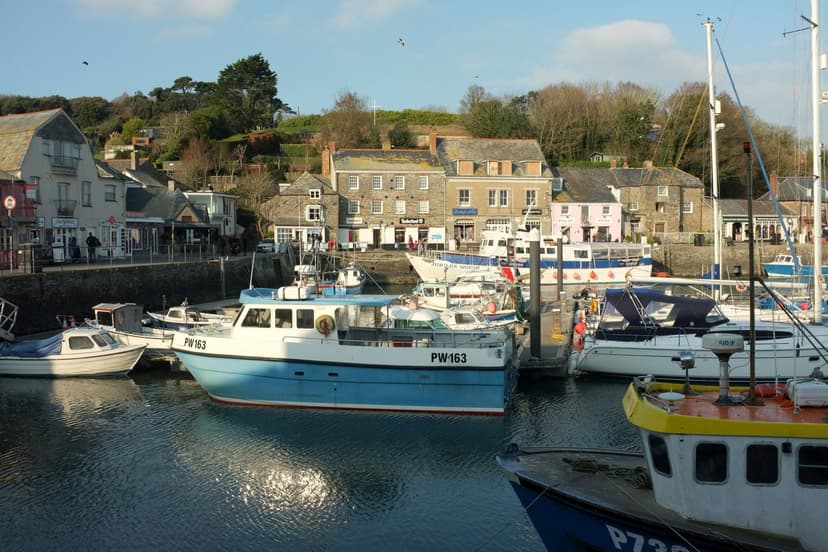
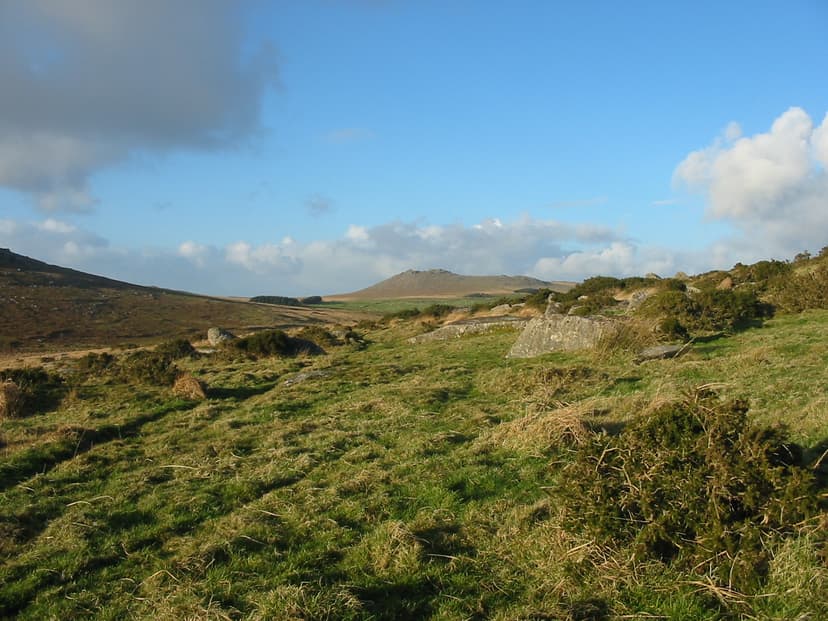
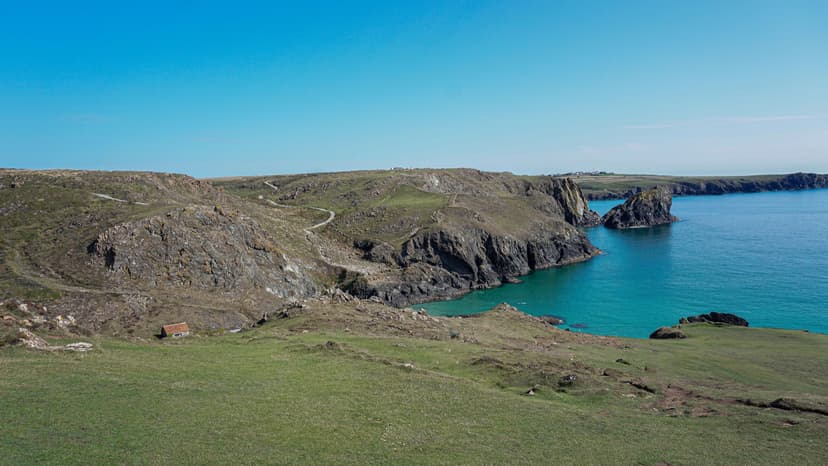
The coastline changes character every few miles, from Padstow's working harbour to the serpentine cliffs of the Lizard. Inland, Bodmin Moor rises to Cornwall's highest point, and the county's old mining and china-clay districts have been turned into some of its best off-road riding.
The Camel Trail: Cornwall's Flagship Cycle Route
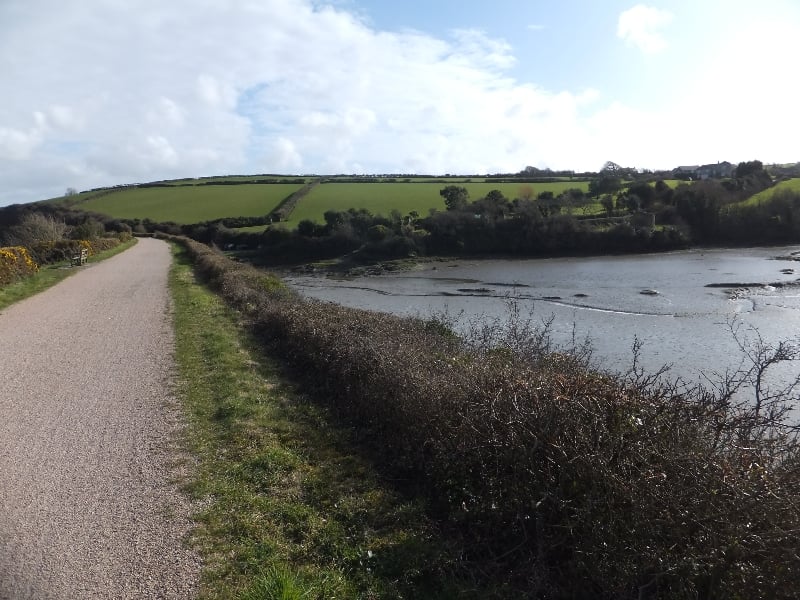
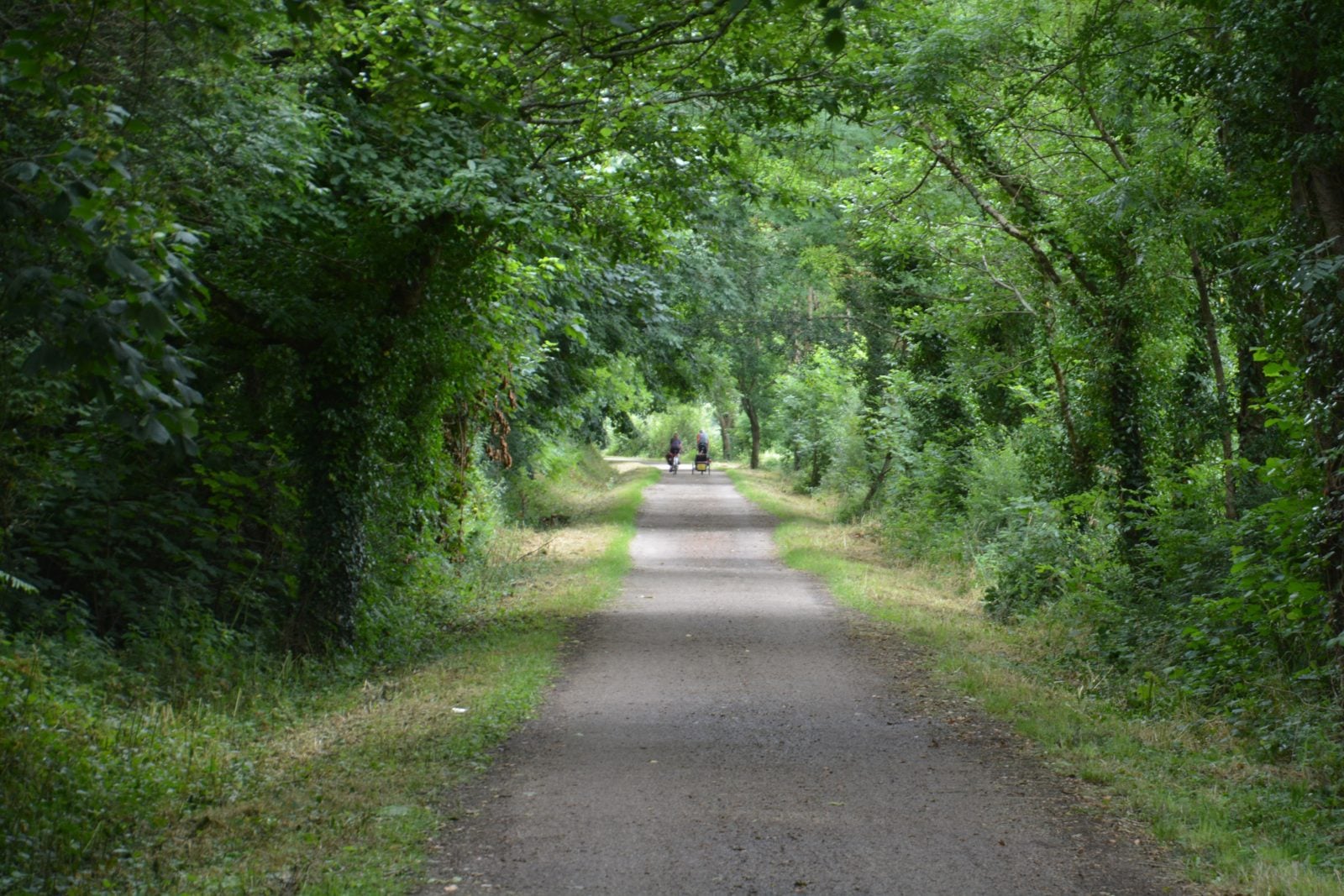
The Camel Trail is Cornwall's best-known cycling route and its most complete. It follows a disused railway line for 18 miles along the Camel Estuary, from the harbour town of Padstow inland to Wenfordbridge on the edge of Bodmin Moor. Cornwall Council manages the path in three linked sections.
Because it follows an old rail bed, the gradient barely changes along its whole length. Flat and scenic, Camel Trail cycling in Cornwall suits a first family ride as well as a serious cyclist warming up before something harder.
Camel Trail Distances and Sections
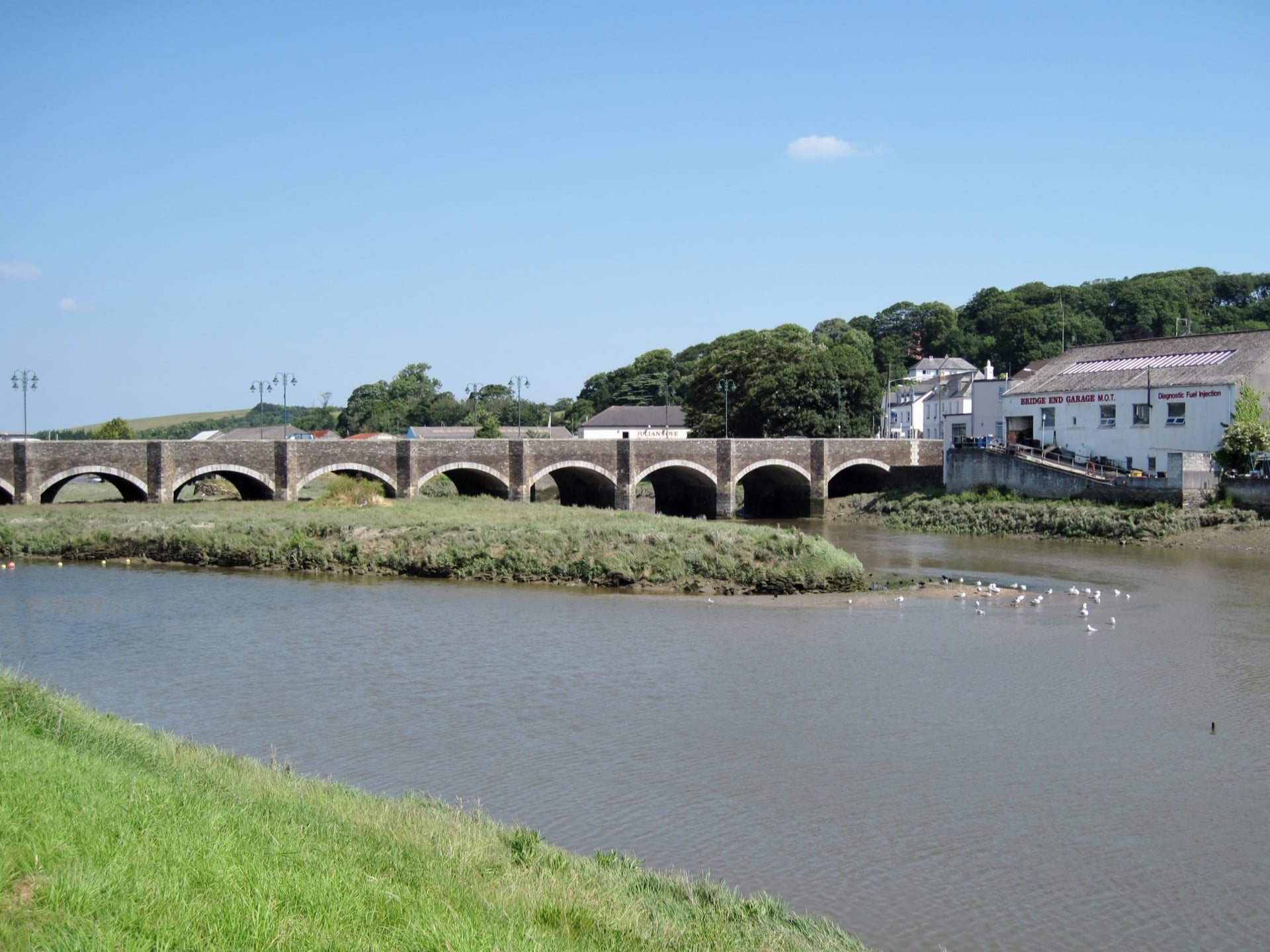
The Camel Trail covers 18 miles in three linked sections. Padstow to Wadebridge covers 5.5 miles. Wadebridge to Bodmin adds another 5.75 miles. The final stretch, Bodmin to Wenfordbridge, covers 6.25 miles as the trail climbs gently toward the moor.
The surface is well-maintained gravel and tarmac, wide enough for two bikes to pass comfortably. Wheelchair users and mobility-scooter riders use the trail regularly, and several stretches are flat and wide enough for a buggy. None of the three sections involves a hill worth mentioning.
What the Camel Trail Passes on the Way
From Padstow, the trail follows the Camel Estuary, with open water views for much of the ride. This is one of the route's most scenic and exposed stretches, so wind off the estuary can make a noticeable difference on some days.
Past Wadebridge, the scenery changes as the trail turns inland along the River Camel, skirting the edge of the National Trust's Lanhydrock estate.
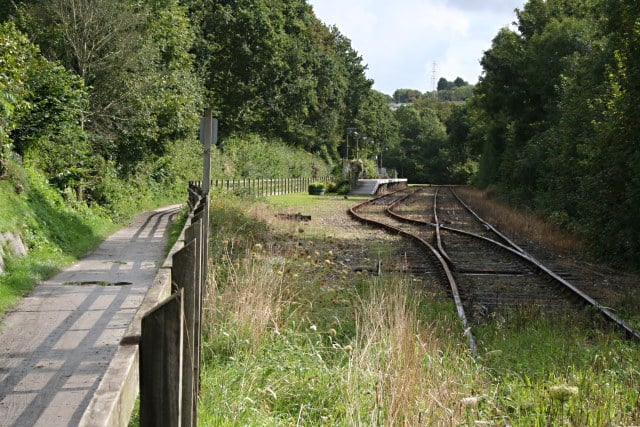
The final stretch climbs gradually onto the lower slopes of Bodmin Moor, ending at Wenfordbridge, a quiet spot with little more than a car park and a trailhead sign.
Many riders instead stop at Boscarne Junction, just before Bodmin, where the trail meets the heritage Bodmin & Wenford Railway. A steam train runs from Boscarne Junction toward Bodmin, letting a one-way ride finish by rail rather than doubling back.
Is the Camel Trail Easy to Ride?
Yes. It runs along a former railway line and holds a gentle, near-constant gradient for almost the entire 18 miles. That makes it one of Britain's few long routes open to wheelchairs.
The only real complication is weather rather than terrain. The final two sections run inland and sit more sheltered among trees. The Padstow to Wadebridge stretch follows the open estuary instead, where a headwind can turn an easy ride into real effort.
A One-Day Camel Trail Itinerary
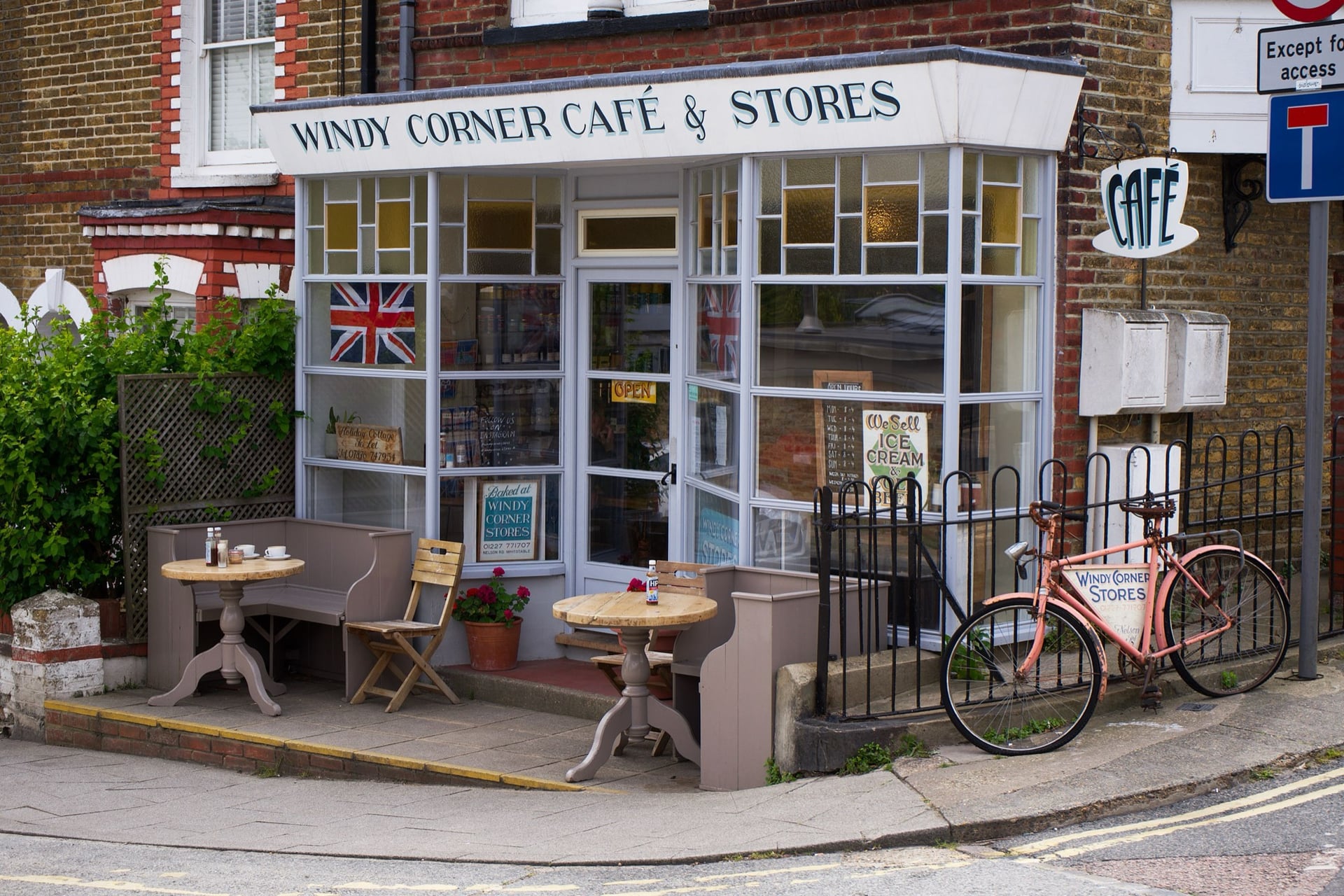
For a half-day, ride Padstow to Wadebridge and back. That out-and-back run covers 11 miles and suits complete beginners. Stop in Wadebridge for lunch before heading back the way you came.
For a full day, ride the whole trail one-way from Padstow to Wenfordbridge, then loop back to Boscarne Junction for the steam train rather than cycling the same 18 miles twice. Most riders cover it in a few hours, plus stops for lunch and the train timetable.
Turning the Camel Trail Into a Full Cornwall Cycling Holiday
The Camel Trail alone fills a day, not a holiday. Our 9-day self-guided Cornwall cycle tour uses it as the middle of a longer route. The tour rides the full Camel Trail, then returns by coastal road.
That structure balances the trail's flat, easy riding against tougher days on the coast. The trip as a whole suits a fitter rider, without ever being inaccessible in the middle. Full day-by-day details are on the tour page.
Distance: ~18 miles Camel Trail plus coastal riding across the week
Duration: 9 days
Route: Padstow to Wenfordbridge on the Camel Trail, then a loop through Cornwall's coastal roads back to the start
Cornwall Cycling Trails Beyond the Camel Trail
The Camel Trail is Cornwall's most complete cycling route, but it isn't the only one worth planning around. Cornwall also has a 180-mile signed route across the county and an off-road route built to be hard. A former mining district has its own bike network, alongside a handful of shorter trails and road loops.
The Cornish Way: Land's End to Bude
The Cornish Way is Cornwall's longest signed route: 180 miles as National Cycle Route 3 from Land's End to Bude. It runs down through Penzance before reaching Truro, where the route splits into two branches.
The southern branch crosses the River Fal on the King Harry Ferry and passes the Eden Project. The northern branch joins the Camel Trail at Padstow, then climbs onto Bodmin Moor before reaching the coast at Bude.
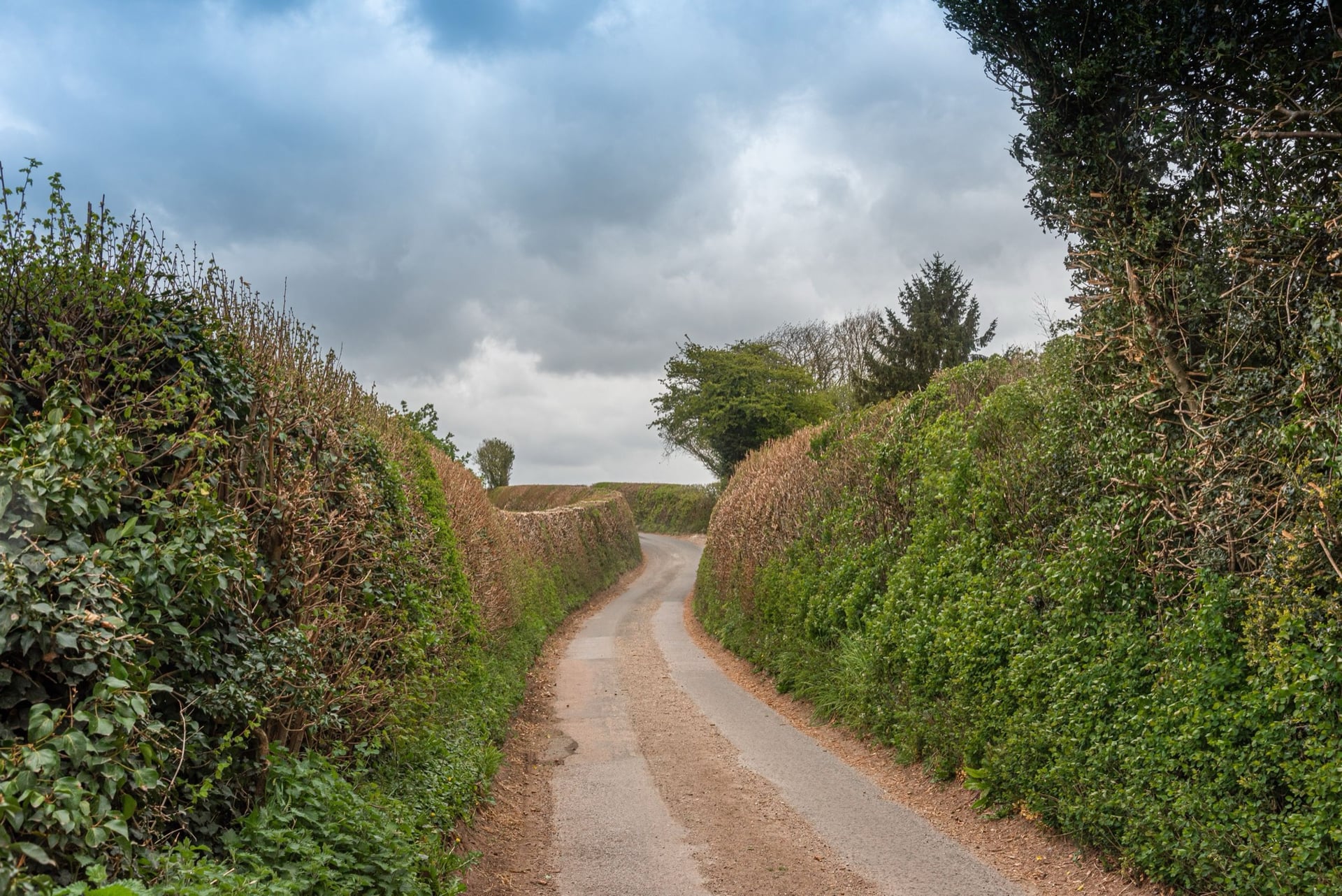
Most riders take about a week to ride the whole route; our UK-wide cycling routes guide covers other multi-day options.
West Kernow Way: Cornwall's Toughest Ride
Cycling UK created the West Kernow Way as Cornwall's toughest cycling route: a 143-mile off-road loop shaped like a figure of eight. It runs from Penzance out to Land's End, down through the Lizard peninsula, and back through the old mining country around Redruth. Most of the surface is gravel and unmade track rather than road. Finishing the full loop takes most riders three to four days, built for experienced off-road riders rather than a first Cornwall trip.
Mineral Tramways: Cycling Through Mining Country
The Mineral Tramways network covers 37.5 miles of mostly traffic-free trails through the old mining district around Camborne and Redruth. Engine houses, chimneys, and old shafts sit right beside the path for long stretches.
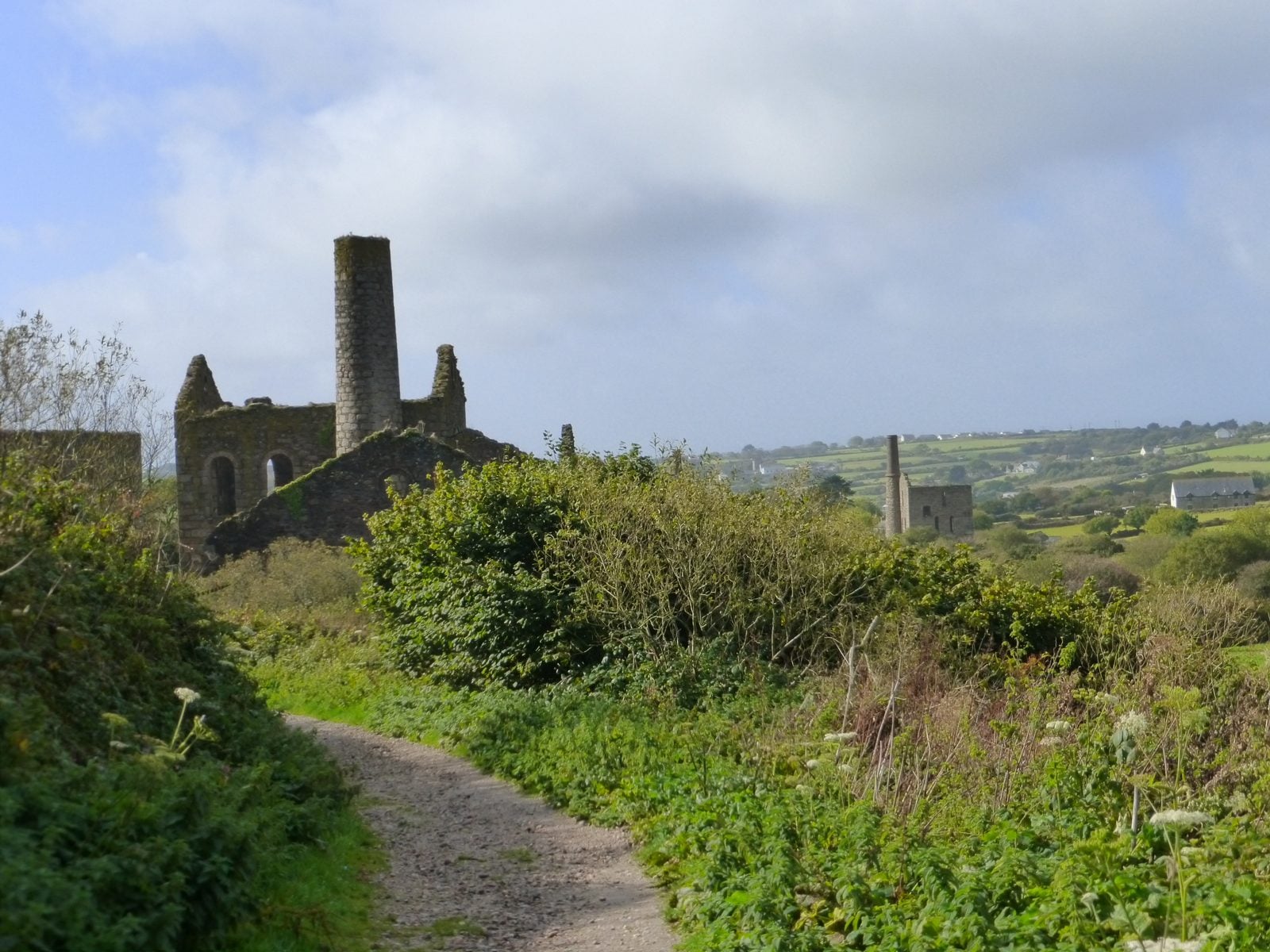
Within the network, the Coast-to-Coast Trail runs from Portreath to Devoran. Cycling UK lists it at 11 miles; Visit Cornwall puts it at 14. The Coast-to-Coast Trail's real length falls somewhere between 11 and 14 miles.
The network's other signature route is the circular Great Flat Lode trail, an easier, mostly flat ride. It passes several preserved mining engine houses close enough to visit without a detour.
Bodmin Beast, Goss Moor, and Lanhydrock
Cardinham Woods, near Bodmin, holds the Bodmin Beast: a technical singletrack trail of roughly 7 miles for experienced off-road riders on a full-suspension bike. The same woodland has gentler, waymarked trails from the same car park.
Goss Moor is the flat opposite: a quiet 7-mile circular route through a nature reserve, on ground that was once a bottleneck on Cornwall's main road before it was rerouted.
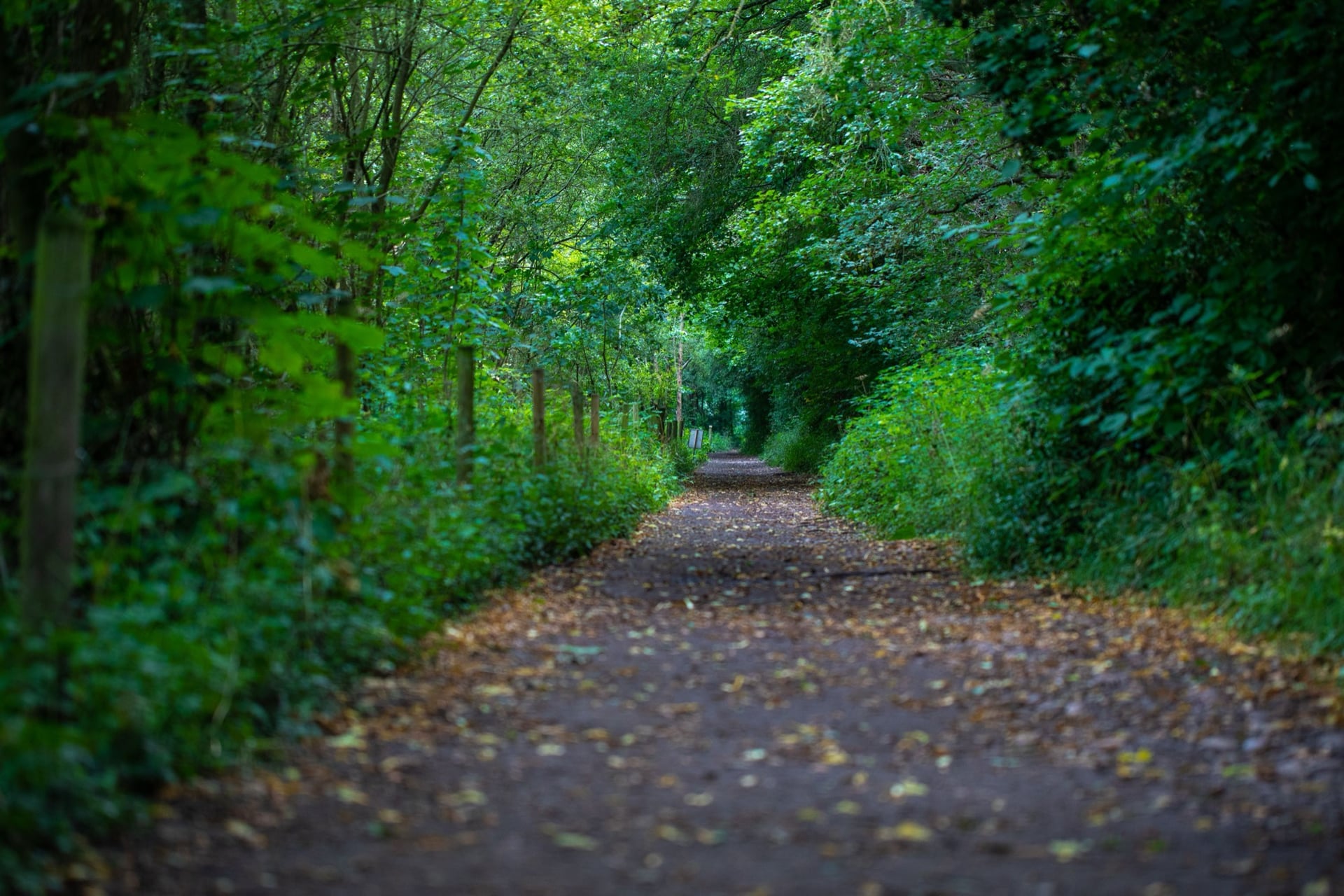
Lanhydrock, a National Trust estate near Bodmin, has some of Cornwall's best graded mountain-bike trails, from an easy green route to a red-graded track with jumps and berms. Some sections were built two metres wide to suit adaptive bikes, making it one of Cornwall's more inclusive mountain-bike venues.
The Clay Trails and Tamar Trails
The Clay Trails are five signed pathways through Cornwall's china clay country around St Austell, opened in 2005. The trails run through a former mining landscape now managed for wildlife, terrain shaped by the clay industry rather than natural hills. They make a good short ride near the Eden Project.
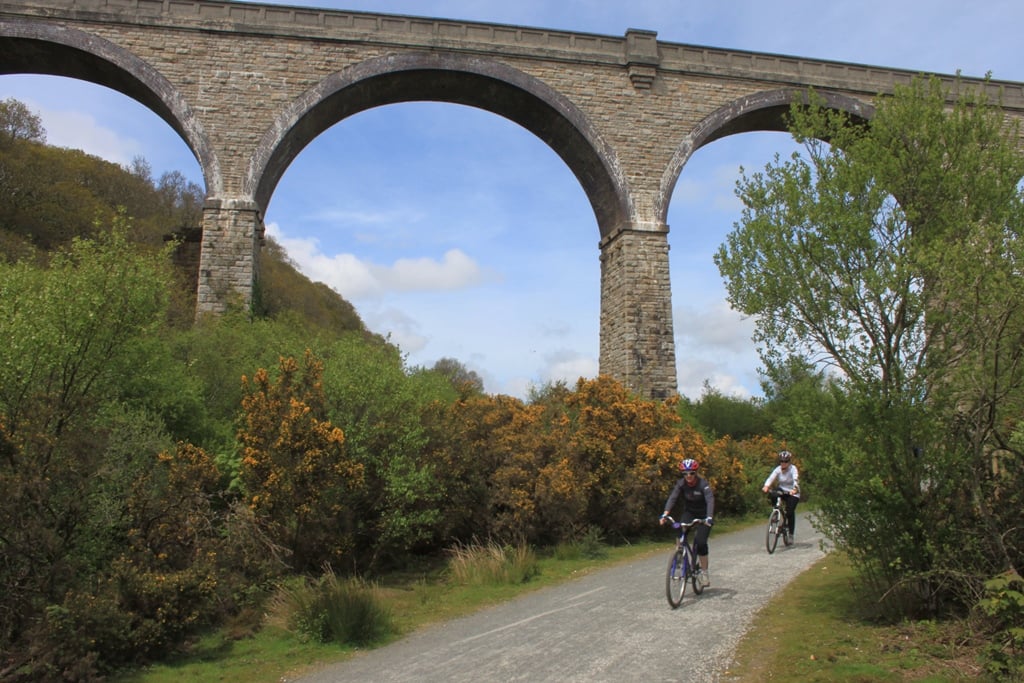
The Tamar Trails cover around 25 kilometres in the Tamar Valley, on the Devon border, mostly through forest with old mine workings along the route. The Tamar Trails sit inside a World Heritage mining landscape, the furthest east of Cornwall's trail networks and closer in character to Mineral Tramways than the Camel Trail.
Road Loops and the EXPERIENCE Project
Cornwall also has two established road loops for tarmac and real hills. The longer runs roughly 43.5 miles from Hayle through St Ives and Penzance. The shorter Lizard Loop covers roughly 29 miles from Helston, passing Kynance Cove. Neither is signed like the Camel Trail, so carry a map.
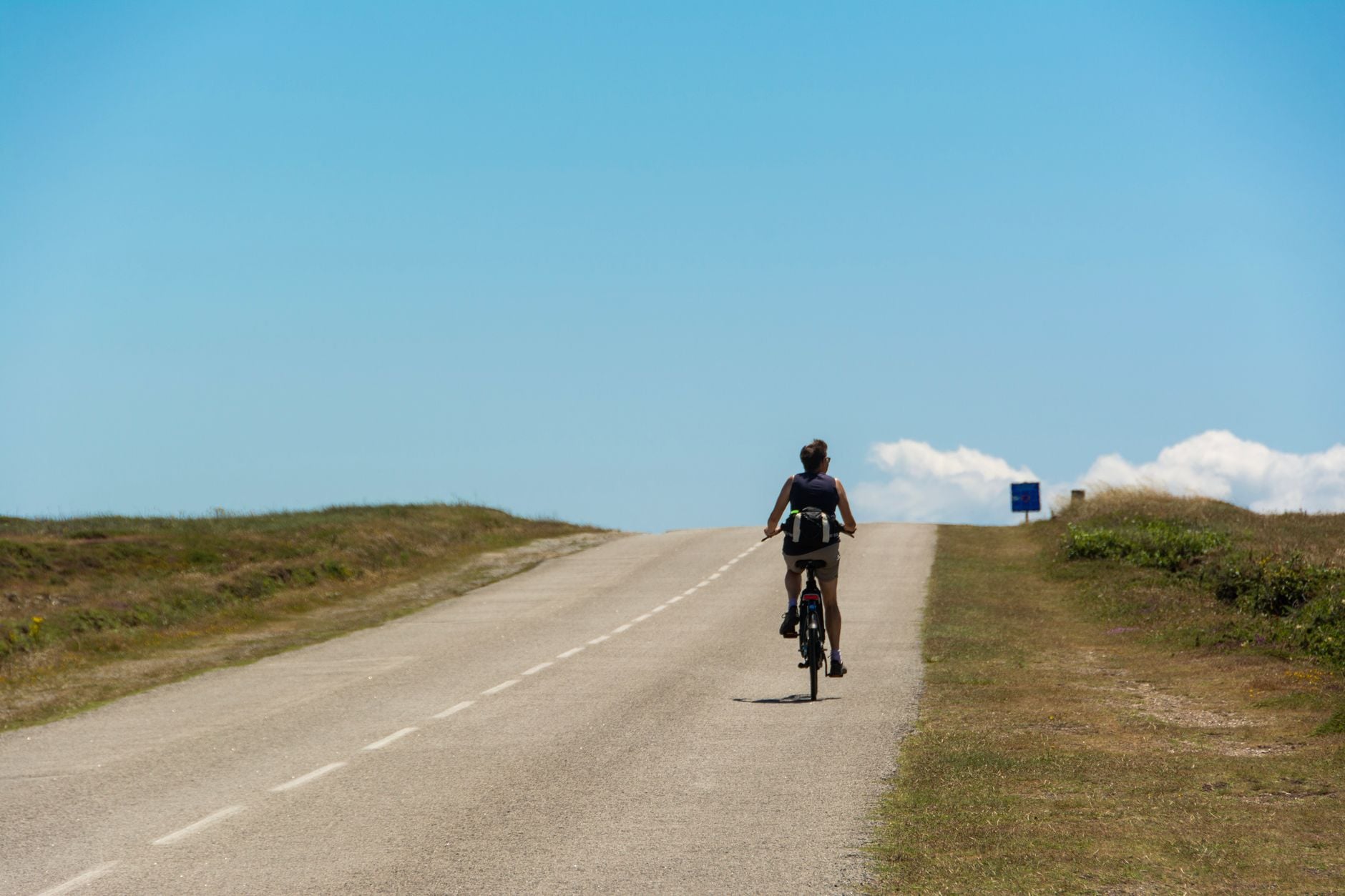
The EXPERIENCE project, developed by Cycling UK with Cornwall Council, is anchored by hubs at Mount's Bay, Bodmin, and Helston, with routes running 14 to 30 miles. EXPERIENCE routes stay well clear of Cornwall's busiest tourist trails. They suit riders who've already done the Camel Trail and want a quieter, single-day option.
When to Go Cycling in Cornwall
Cornwall is rideable all year, but the four seasons feel genuinely different from the saddle.
Spring (April–June)
Spring temperatures run from the low teens up to the high teens Celsius, comfortable for riding without being warm enough to swim afterward. Atlantic coastal wind can persist into May, mattering more on exposed routes like the Hayle or Lizard loops than the sheltered Camel Trail.
Easter is the Camel Trail's first busy weekend of the year, with more families and slower speeds between Padstow and Wadebridge.
Summer (July–August)
Summer brings the warmest weather, high teens to low 20s Celsius, with daylight past 9pm through June and July. It's peak season, and the Camel Trail gets properly busy around Padstow and Wadebridge on a sunny weekend.
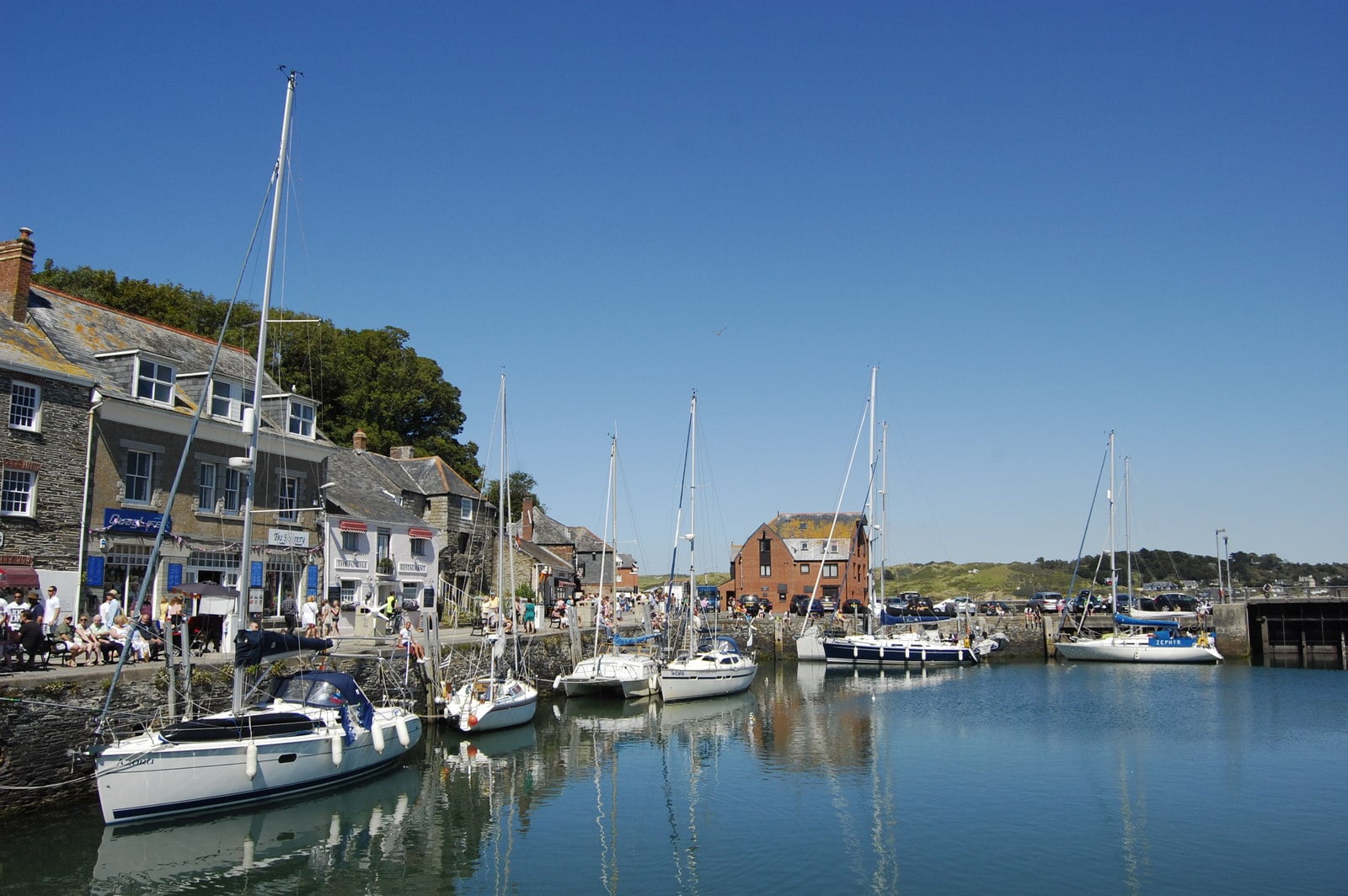
Accommodation books up further ahead in summer than in any other season, so a July or August trip needs the earliest planning.
Autumn (September–October)
September is often rated locally as Cornwall's best all-round cycling month, warm and quiet with most facilities still open. By October, the coastal loops can turn wet and windy.
The Camel Trail and other inland trails, sheltered by trees and low relief, hold up better through this shift than the exposed road loops.
Winter (November–March)
Winter in Cornwall is mild by UK standards. Daytime highs rarely drop far below high single figures, even in January. Off-road routes like the West Kernow Way and Bodmin Beast get noticeably muddier.
Some Camel Trail bike-hire points close during the quietest weeks of January and February, so check ahead if relying on a rental.
Five Places Worth Building a Ride Around
Five stops worth timing a stretch of the ride around, spread across the county's different trails.
Getting to and From Cornwall's Cycling Routes
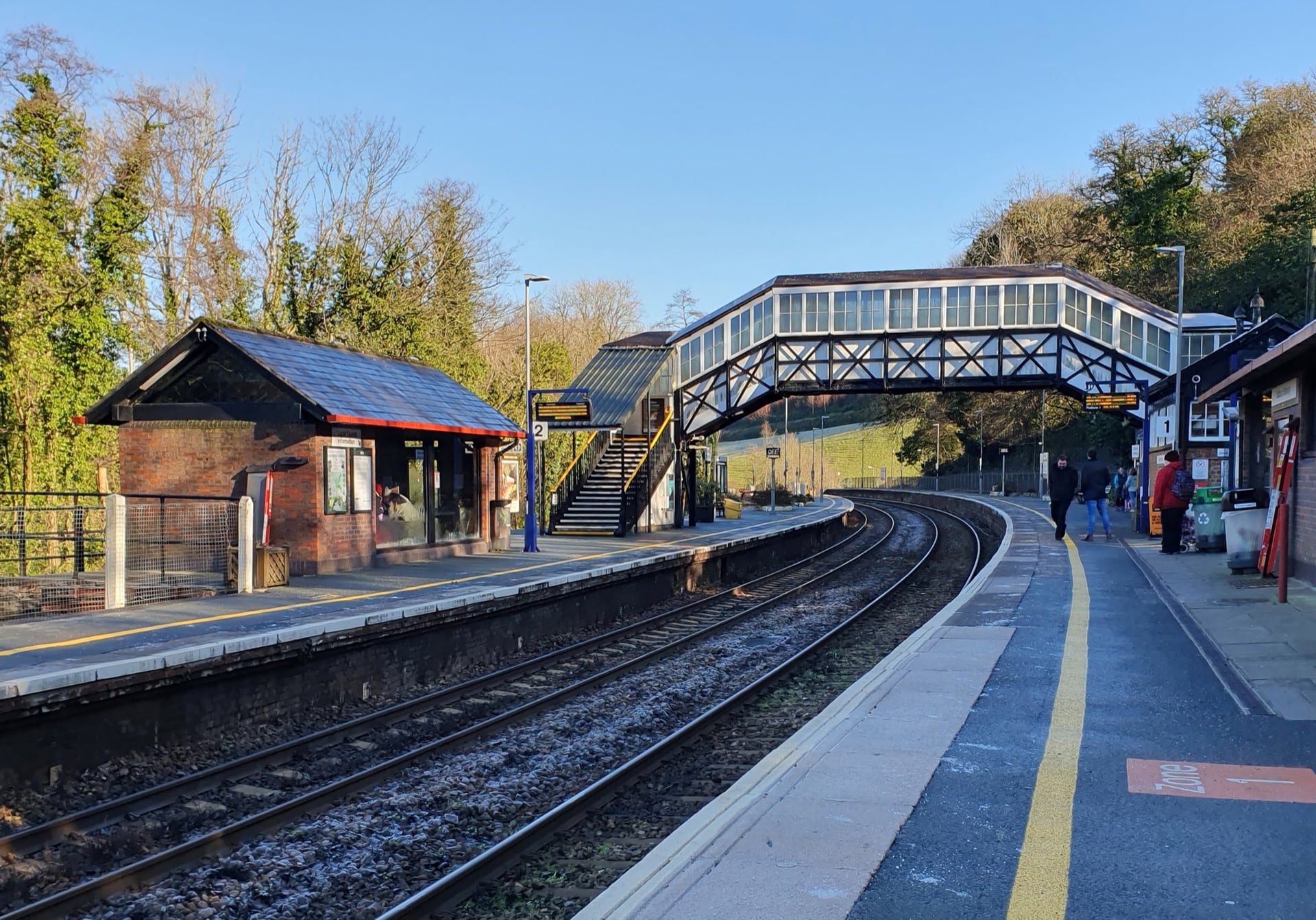
The easiest way to reach Cornwall without a car is by train. The Night Riviera sleeper runs overnight from Paddington straight to Penzance, within easy reach of the West Kernow Way and the western end of the Cornish Way.
Bodmin Parkway is the closest mainline station to the Camel Trail's Bodmin end, with direct links also at Par, St Austell, and Falmouth. Newquay Airport connects Cornwall to London and several other UK cities, useful for a shorter trip.
Drivers reach every cycling hub via the A30, running the length of Cornwall from the Devon border to Land's End. Traffic on the A30 builds on summer Saturdays, the weekly changeover day for most accommodation.
Bude, at the Cornish Way's northern end, has no station; the nearest mainline connection is Exeter, over the border in Devon. Local ferries also cross at Falmouth and the Helford River, useful if a route ends on the wrong side of the water.
Ready to Ride?
Cornwall rewards a full trip more than a single afternoon: the Camel Trail for easy miles, the coast for real climbing, and the mining and clay trails when the following days call for something different. Our 9-day self-guided Cornwall cycle tour ties these together, with accommodation, route notes, and support already sorted.
Get in touch through our inquiry page with any questions about dates or fitness levels before booking.
Frequently Asked Questions


Hassle-Free
We take care of route planning, accommodations, luggage transfers, and all logistics, so you can focus purely on enjoying your ride.

Tried & Tested Adventures
Our cycling routes are hand-picked & tested, to ensure breathtaking landscapes, smooth roads, and maximum safety - giving you the perfect ride every day.

Unbeatable Support
Our 24/7 customer support is where we show our passion, ensuring your cycling holiday runs smoothly and your well-being is always our top priority.

Book with Confidence
We are a financially protected company, fully bonded and insured, keeping your money safe and allowing you to travel with confidence.